2023年10月 短歌
October 2023, Tanka
All rights reserved ©Rika Inami 稲美 里佳
―玉川ダムの宝仙湖に5首/ Five pieces of tanka to Hosen Lake of Tamagawa Dam ―
1-
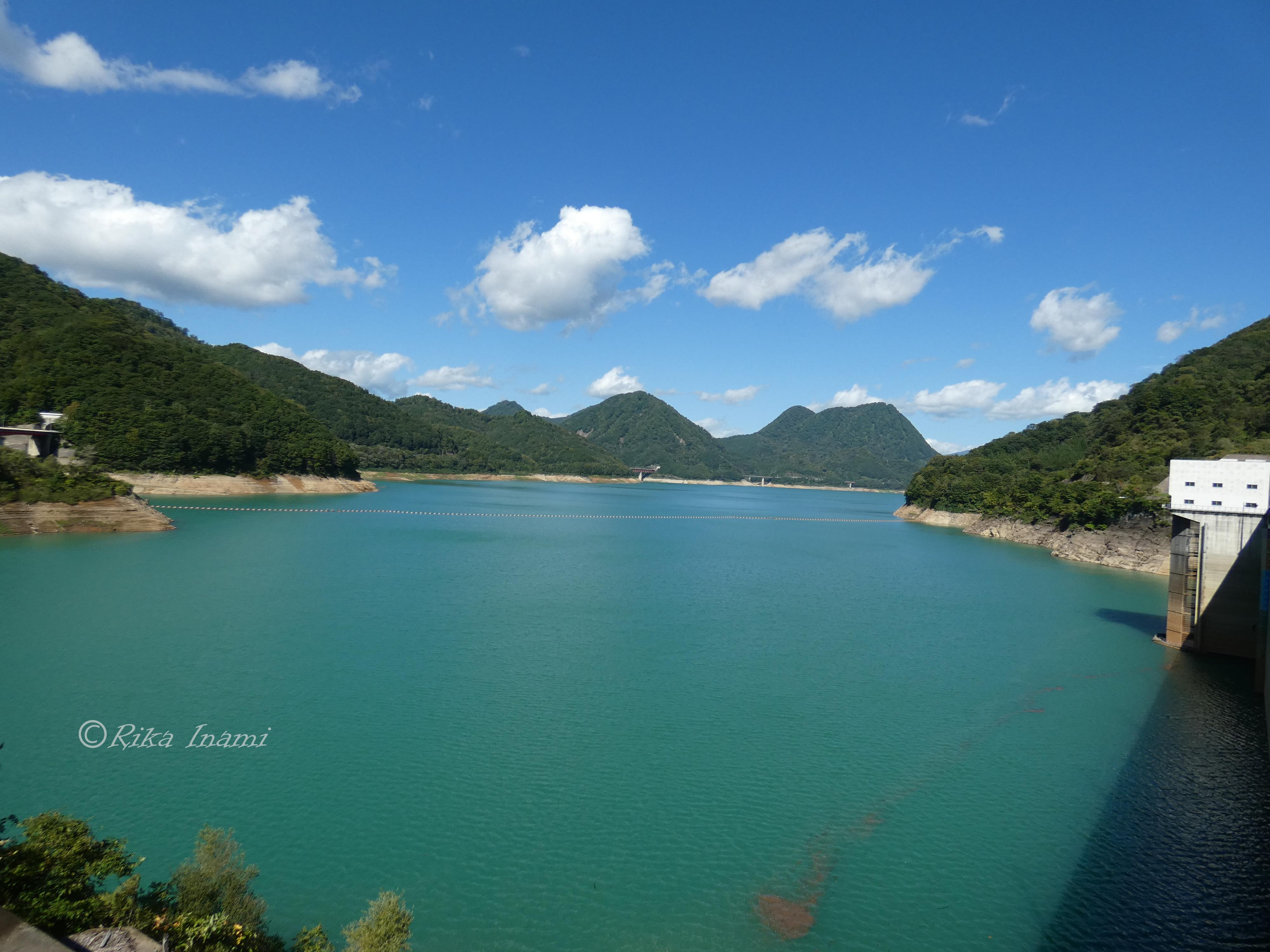
宝仙湖 人ととのへし澄みわたる和の旋律を隅々ゆ聴く
Lake Hosen …
my ears listen to the peaceful
and harmonic chord
being arranged by humans
from all corners
先月、私は秋田県仙北市の田沢湖上流にある玉川ダムのダム湖・宝仙湖までドライブしてきました。
玉川ダムは、秋田県の1級河川・雄物川水系の玉川に建設されたダムです。重力式コンクリートダムで、昭和48年に着手され平成2年に完成しました。
多目的ダムを意図して作られ、洪水調節、流水の正常な機能の維持、仙北平野への農業用水の補給、秋田市の上水道の供給と工業用水の供給、そして発電という6つの目的をもっています。
高さは100m、長さは441.5m、有効貯水量は2億2900トンで、全国で7番目、東北では3番目のダムです。
(以上、玉川ダム管理所のHP参考:https://www.thr.mlit.go.jp/tamagawa/)
私が訪れた日は晴天に恵まれ、今夏の猛暑のせいか、紅葉にはまだ早かったのですが、それでも日中の気温は平地よりは数度低く、18℃。それは間もなく樹々の色合いが季節を追って変化するだろうと感じるに十分な涼しさでした。
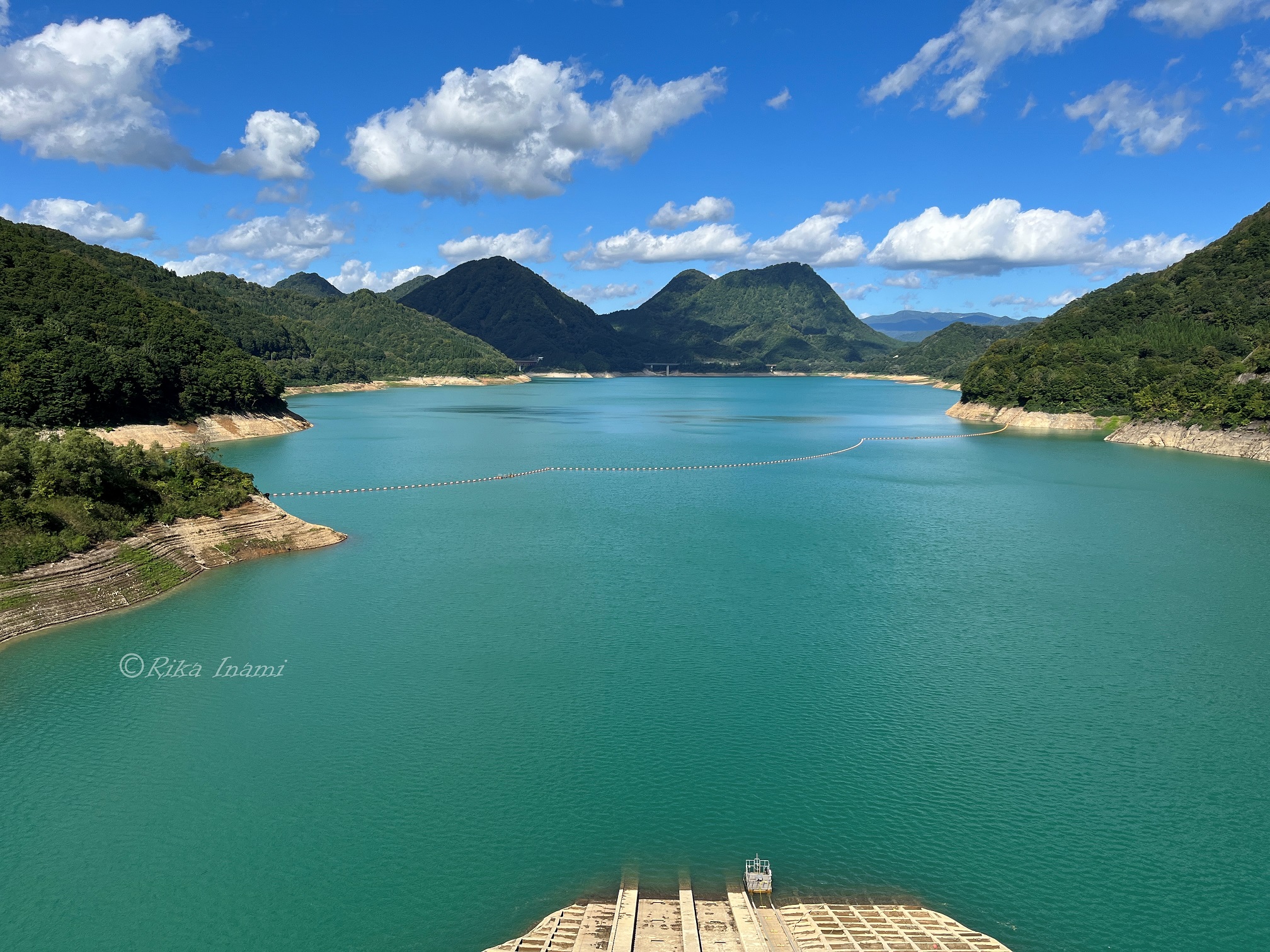
車から降りて、先ずは一望した宝仙湖。堂々としていてはいましたが、威圧的ではなく、穏やかなやわらかい風が緑の山々に、樹々に、水面にそよいでいました。
その日の湖水の色は緑がかった、エメラルドグリーンでした。
嶺々がなだらかに連なる山々に囲まれた景観とともに、特に印象に残ったのは、カリヨンの鐘という宝仙湖の展望台にある鐘でした。
紅葉シーズン前、訪れる人がまばらな静かな宝仙湖。鐘は毎正時に自動演奏する電気式の鐘(メロディカリヨン)と人力で鳴らす鐘(スゥイングカリヨン)で造られています。ということは、私も鐘を鳴らすことができるのです。私はカリヨンの鐘を鳴らしてみることにしました。一振り二振りでは叶わず、鳴らせませんでした。思い切って、よいしょとばかり大きく綱を振ったら、驚くほどトーン高く晴れやかに響きわたり、あたりの静寂を破りました。私は一瞬あたりを見回してしまいました。
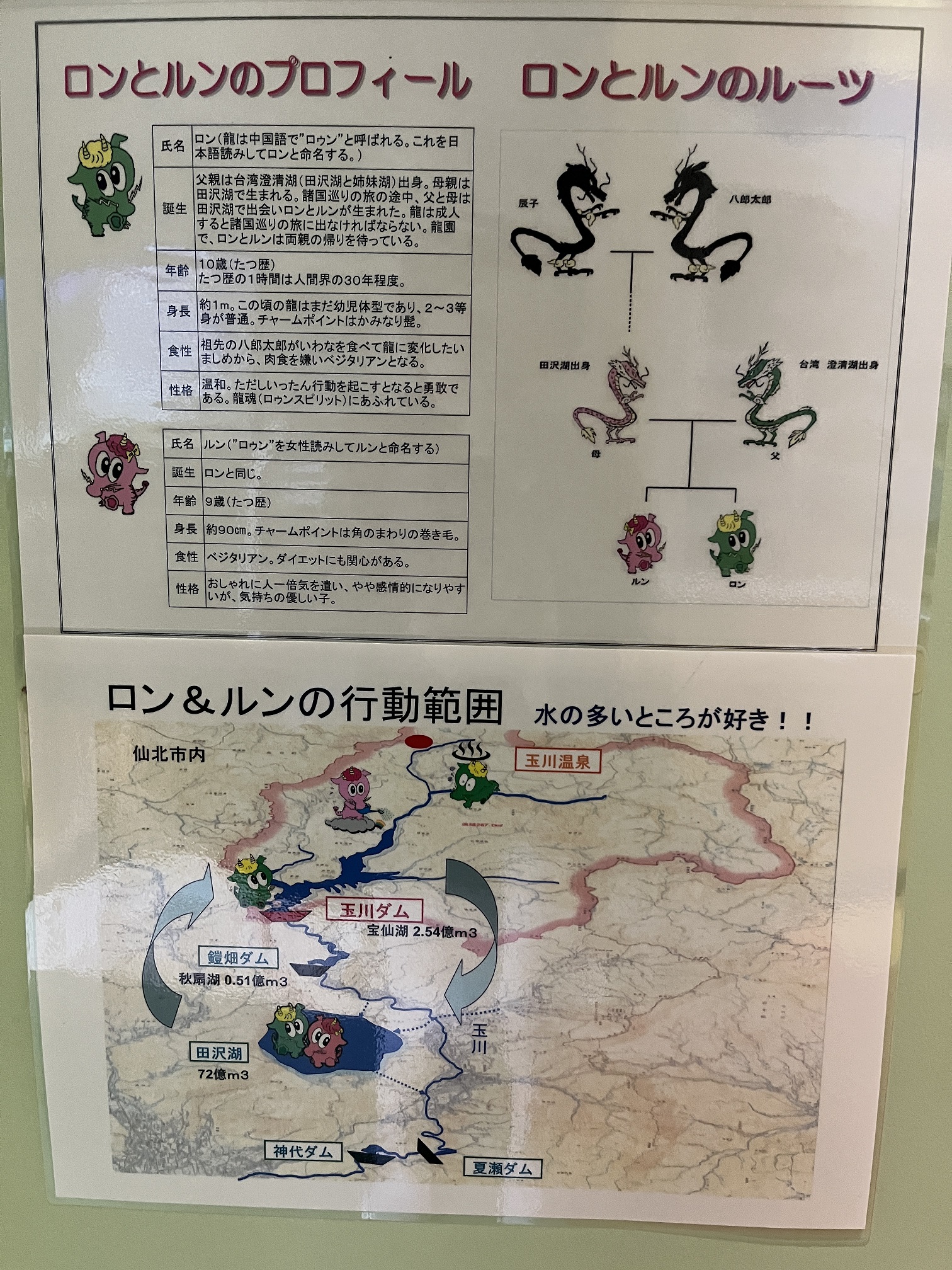
また、資料室の前で、可愛らしい「ロンとルン」という龍の兄妹のマスコットキャラクターが迎えてくれ、ひとときを和ませてくれました。龍は中国語のロゥンからロン、ルンは龍の女子読み。1987年(昭和62年)、玉川ダムの近くの田沢湖と台湾の登清湖が姉妹湖になったことから、龍をモチーフにしたマスコットが生まれたということです。平和を願う国際交流の賜物です。
壮麗な景観とともに、資料室、足を運ぶ先々で見るダムについての説明案内板や植栽、マスコットキャラクター等々を見るにつけ、私は、玉川ダムに於いて自然と人間の調和が見事に実現されていると思いました。
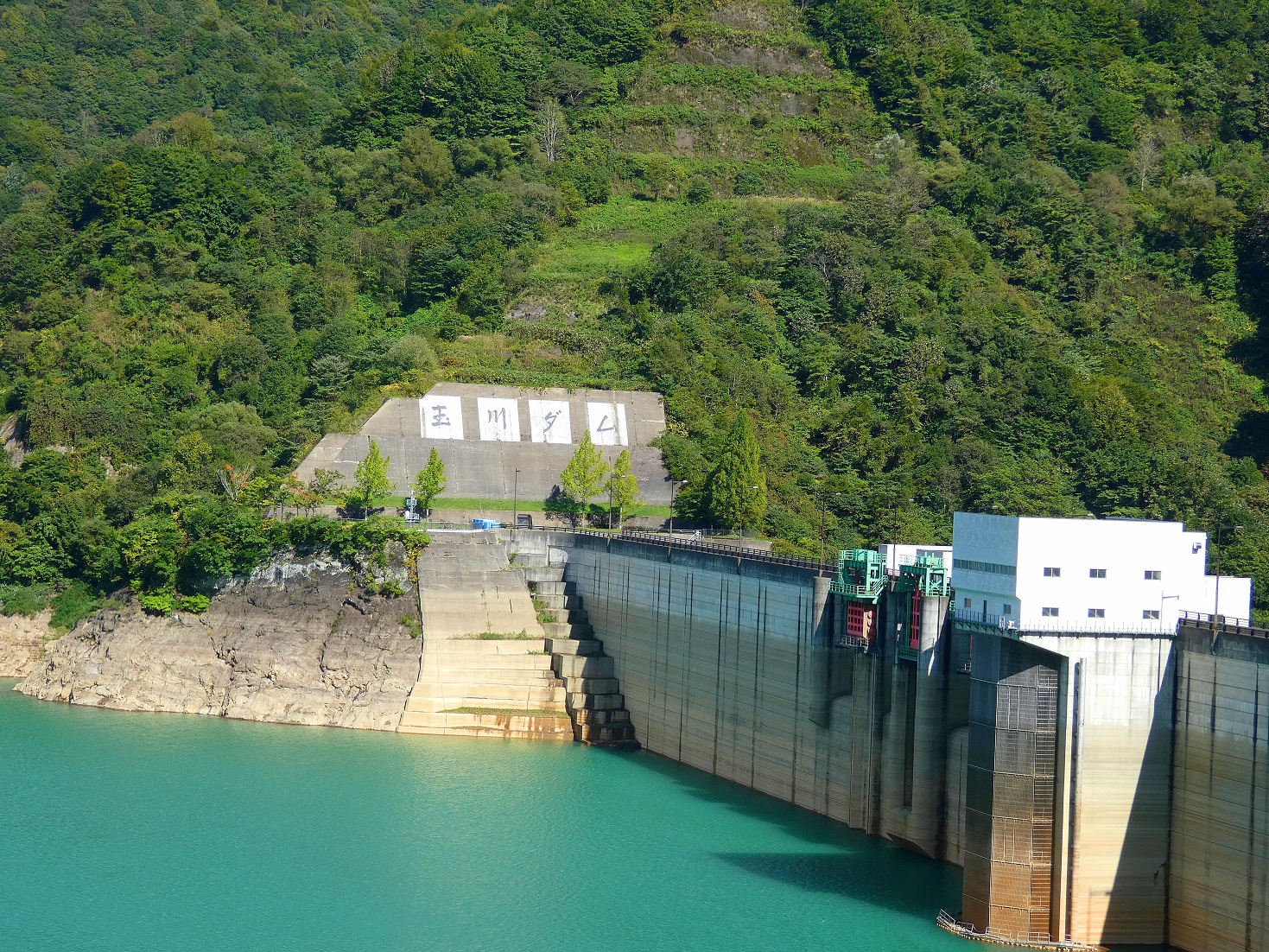
Last month, I drove to Lake Hosen, the lake of Tamagawa Dam, located upstream of Lake Tazawa in Semboku City, Akita, Japan.
The Tamagawa Dam is constructed on the Tamagawa River in the Omono River system, a class A river in Akita Prefecture. It is a gravity-fed concrete dam, started in 1973 and completed in 1990.
It was intended to be a multi-purpose dam with six purposes: flood control, maintenance of the normal functioning of running water, supply of agricultural water to the Semboku Plain, supply of Akita City’s and industrial water, and power generation.
It is 100 m high and 441.5 m long and has an effective storage capacity of 229 million tons. It is the seventh-largest dam in Japan and the third-largest in Tohoku.
(The above is a reference from the Tamagawa Dam Management Office’s website: https://www.thr.mlit.go.jp/tamagawa/)
The day I visited was blessed with clear skies, and although it was still early for the autumn leaves to turn due to this summer’s heat wave. However, the daytime temperature was still a few degrees cooler than in the plains, at 18°C (64°F). It was cool enough to feel that the colors of the trees would soon change with the seasons.
After exiting the car, I took a sweeping view of Lake Hosen. It was majestic but not imposing in aspect,
The green mountains, trees, and the water’s surface were in the calm and soft zephyr.
The color of the lake water that day was greenish emerald green.
With the landscape of the lake, which is surrounded by rolling mountain peaks, I was particularly impressed by the Carillon Bell at Lake Hosen’s observation tower.
Lake Hosen was quiet before the autumn foliage season, with few visitors. The carillon consists of the electric bell (melody carillon) that plays automatically every hour and the human-powered bells (swing carillon). This meant that I could also ring them. I decided to try ringing. I couldn’t do it with just one or two swings. So, I tried my best and gave the rope a good shake, and the bells rang out with a surprisingly high, clear tone that broke the silence. I looked around for a moment.
In front of the reference center, the adorable “Ron and Run”, the mascot characters of the dragon siblings, welcomed me. They made me feel delighted.
Ron is from the Chinese pronunciation “roun” of 龍/ dragon; Run is the female reading of dragon. The mascot with a dragon motif was created because Lake Tazawa near Tamagawa Dam and Teng-chheng-o /Chengcing Lake in Taiwan became sister lakes in 1987. It is the result of an international exchange for peace.
As I looked at the magnificent scenery, the reference center, the explanatory information board about the dam, the plantings I saw everywhere I went, and the mascot characters, I thought that the harmony of nature and mankind is beautifully realized at the Tamagawa Dam.
2-
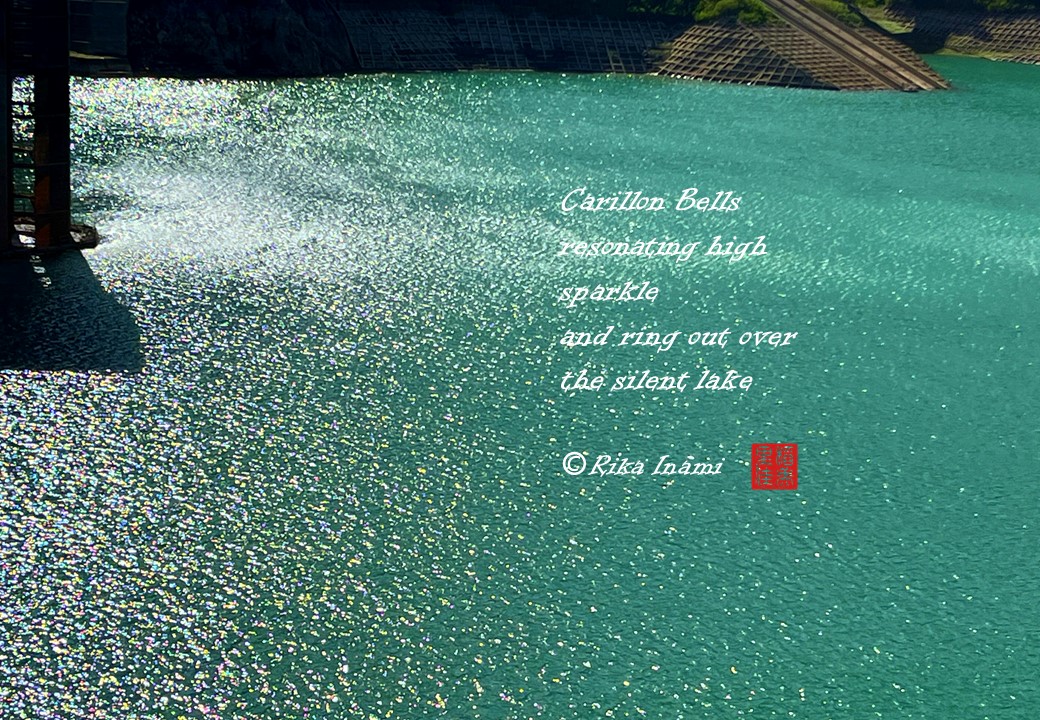
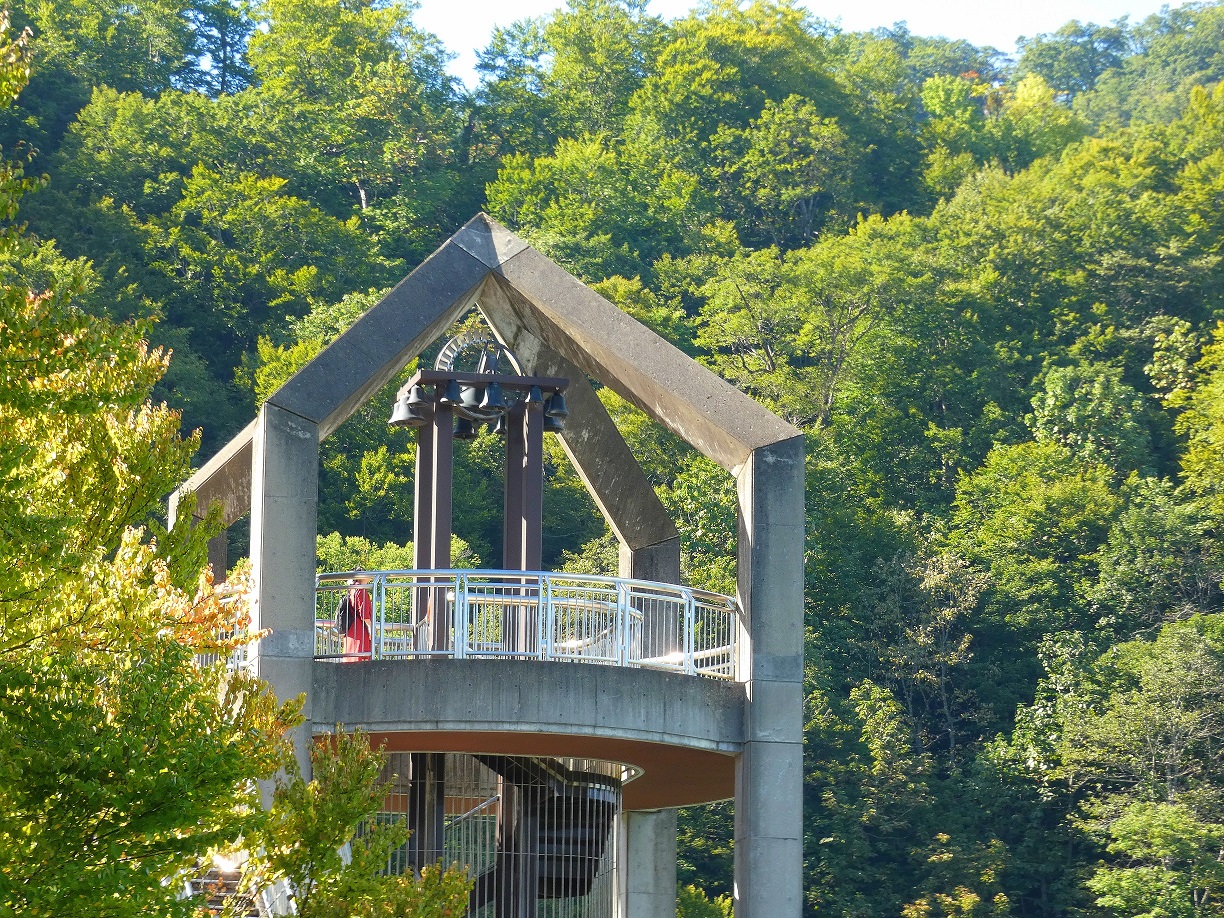
連鎖するカリヨンの鐘たからかに静寂(しじま)の湖(うみ)に共鳴しをり
Carillon Bells
resonating high
sparkle
and ring out over
the silent lake
3-
宝仙湖のカリヨンの鐘かあんかあんかあん我鳴らす音に辺り窺ふ
at Lake Hosen
I ring the carillon bells
and look around
startled
by their high tones
4-
長月の風なぎわたる宝仙湖 翡翠の水面に龍(ろんるん)の笑み
Lake Hosen …
September wind gently blows
Dragons’ smiles
on the emerald-green surface
of water.
5-
近頃にこもる憂ひをはらふかな玉川ダムの空・雲に水
Ah…dispelling
my recent worries
Tamagawa Dam
the sky, clouds, and water
how refreshing
―日々の歌 / Daily Tanka―
6- 朝散歩中/ While morning walking.
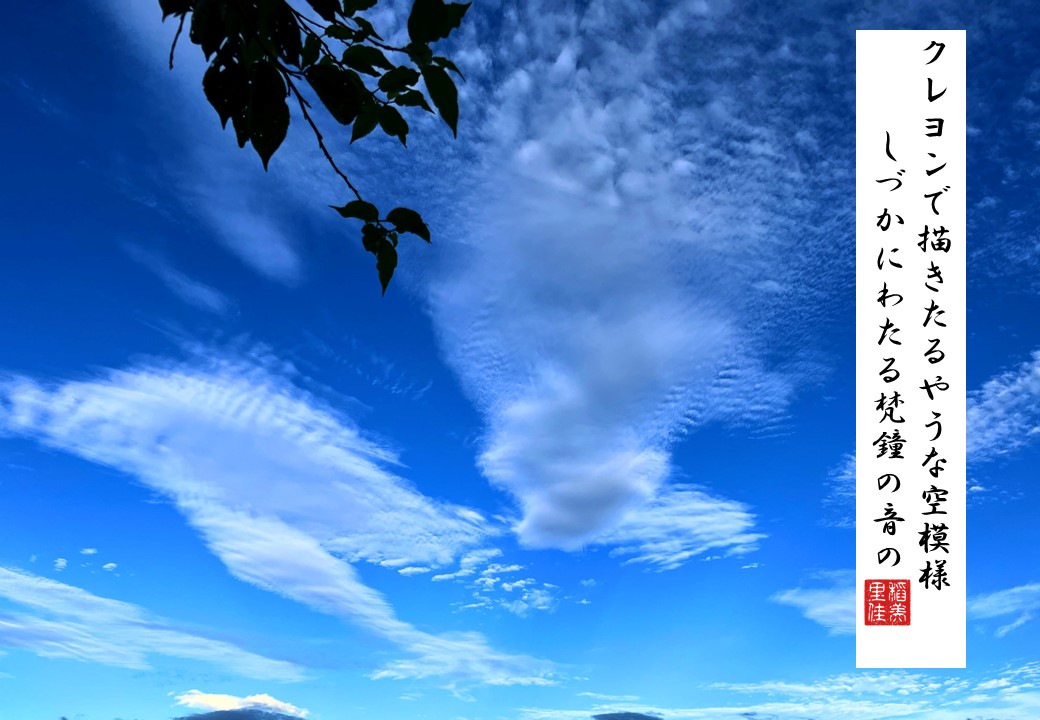
クレヨンで描きたるやうな空模様しづかにわたる梵鐘の音の
the sky looks
as if drawn with crayons…
the sound
of the temple bell
gently reverberates
7-
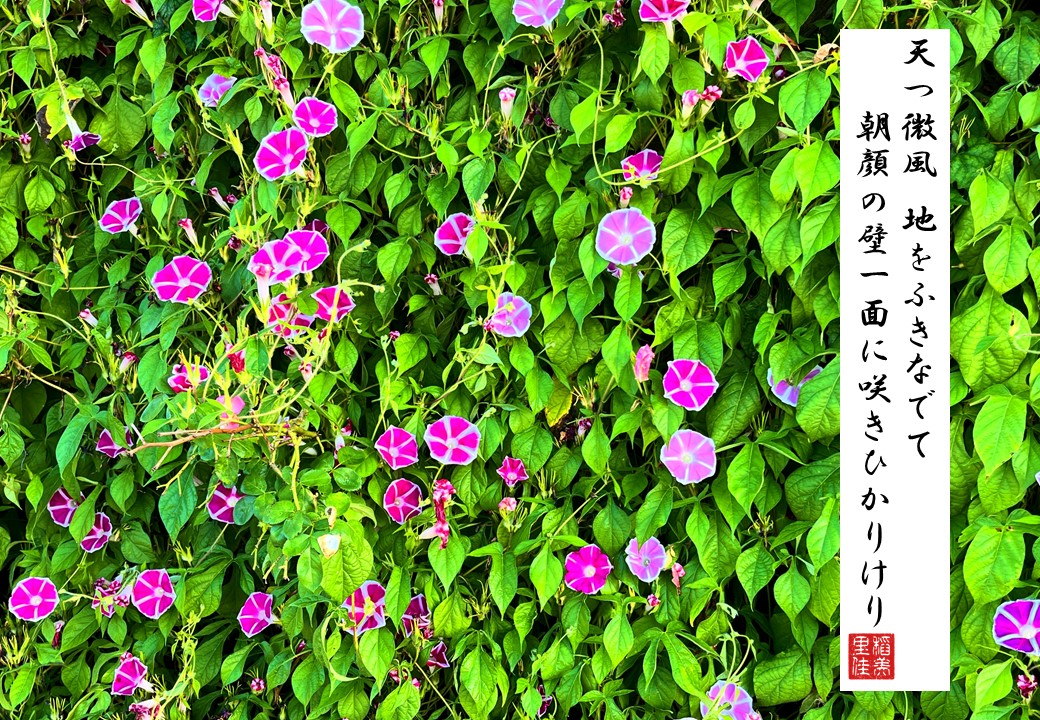
天つ微風(かぜ) 地を吹きなでて朝顔の壁一面に咲きひかりけり
heavenly zephyr
caresses the earth…
glowing
morning glories bloom
on a wall
8- 稲刈り/ Harvest

新藁のにほひ劇しき稲刈日をとめコンバイン運転したり
harvest day…
new rice straws’ great smell
in the air
a young woman driving
a combine harvester
9-
鬼胡桃たれか喰ひたる空の殻なほ木に留まり秋天あふぐ
walnuts …
someone ate them
empty shells
still, staying on the tree
look up at the autumn sky
10- 秋彼岸に/ To Autumn Equinox Week, one of Japanese Buddhist’s primary events.
かりそめの姿なるかな秋かはづ幽世(かくりよ)の岸越え訪(と)ひし君
frog in autumn…
changing to a fleeting figure
you visit me
across the shore of the other
world, don’t you?
※彼岸入、仏壇の前に蛙がいました。
A frog was before my family’s Buddhist altar in the tatami room on the first day of the equinoctial week. In Japanese, the pronunciation of frog/ 蛙 and return/ 帰るis the same, so the frog is considered a good omen in general.

 Akita International Haiku Network
Rika, beautiful! The lake must be such a peaceful place for meditation and prayer.