snowstorm –
the tranquility of the field
in the gusts of the wind
突風に静まる野原吹雪かな
toppū ni shizumaru nohara fubuki kana
a silver birch
swaying this way and that –
your yellow scarf
あちこちに揺れる白樺スカーフも
achikochi ni yureru shirakaba sukāfu mo
frosty morning tea-
you and a kettle
shaking in sink
霜の朝揺れる茶人とやかんかな
shimo no asa yureru chajin to yakan kana
tea leaves
unfolding in the cup –
your stories
椀の中茶の葉と話広がれり
wan no naka cha no ha to hanashi hirogare-ri
candlelight
two shadows on the wall
become one
蝋燭の光に壁の影変はる
rōsoku no hikari ni kabe no kage kawaru
orange kitten
tucking paws under its belly
forgotten book
不用の書子猫の腹の下に足
fuyō no sho koneko no hara no shita ni ashi
empty branches
even snow can’t stay still
my horse and me
裸木に雪馬私落ち着かず
hadakagi ni yuki uma watashi ochitsuka-zu
scent of the drying grass –
a moonlite in the horse’s eye
馬の目に月光映り香る草
uma no me ni gekkō haeri kaoru kusa
late night…
a lite in your window goes out
もう深夜あなたの電気消える窓
mō shinya anata no denki kieru mado
-Interpreted into Japanese by Hidenori Hiruta

About Laughing Waters:
The family name of Laughing Waters is Viengsombat and her name is Olena.
She was born in Ukraine, and her native language is Ukrainian and she also speaks English, Russian and Czech, some Polish and very little Laotian.
She has been writing haiku, senryu, tanka, cherita, haibun, and renku since 2015. Her teachers were Nicholas Klatsinsky and Alan Summers.
Laughing Waters only writes in English. She enjoys translating haiku to English because she likes a challenge.
Her works were published in many magazines such as Prune juice, Under Baso, and Akita International Haiku Network.
She enjoys nature and its fragile beauty. This is why Japanese poetry is really so beautiful.
She is now living in USA. Still traveling any chance she has. She hopes to continue her journey as a writer.
Last of all, she says, “It’s spring time here and my garden comes alive after winter.”
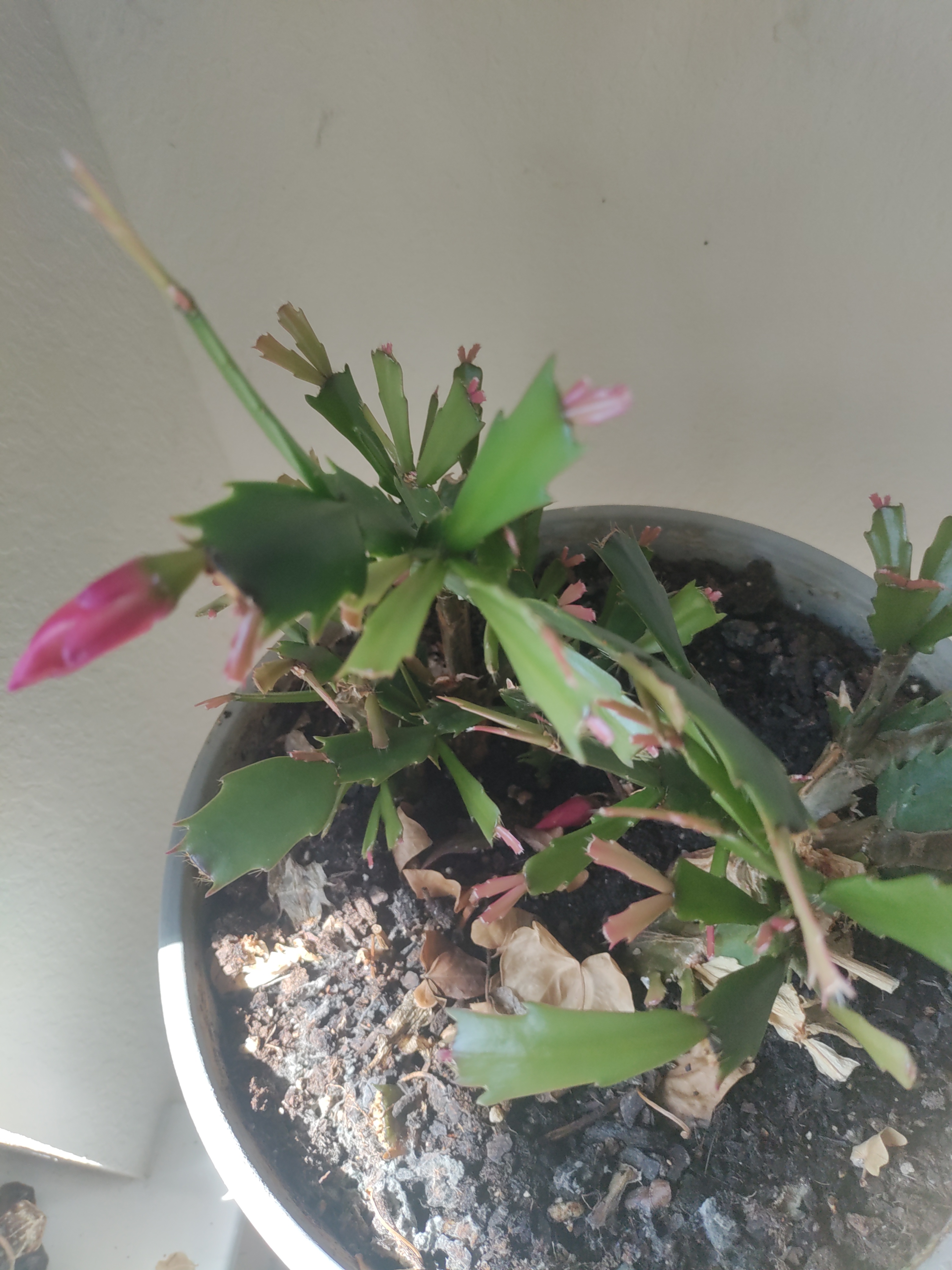
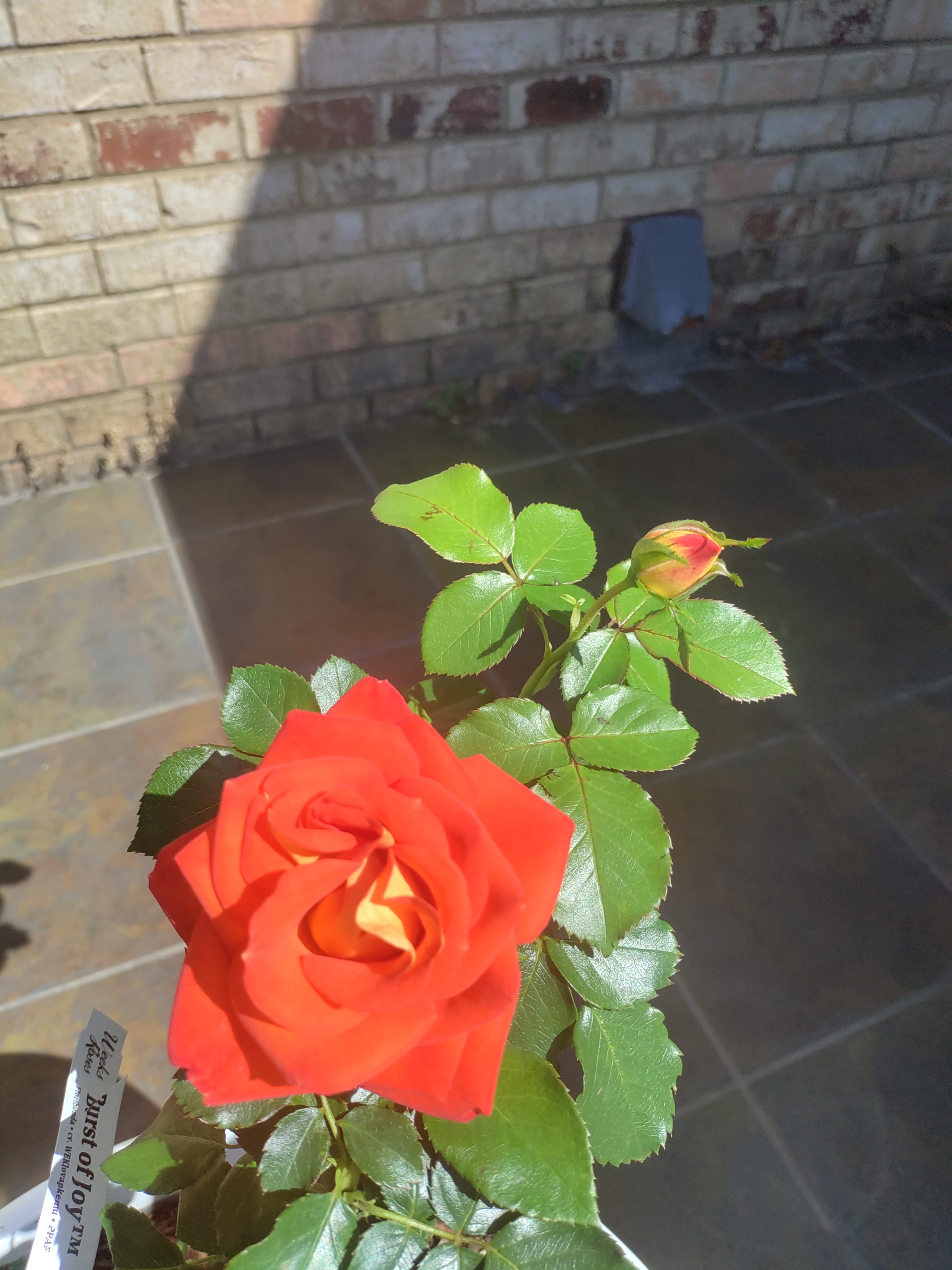
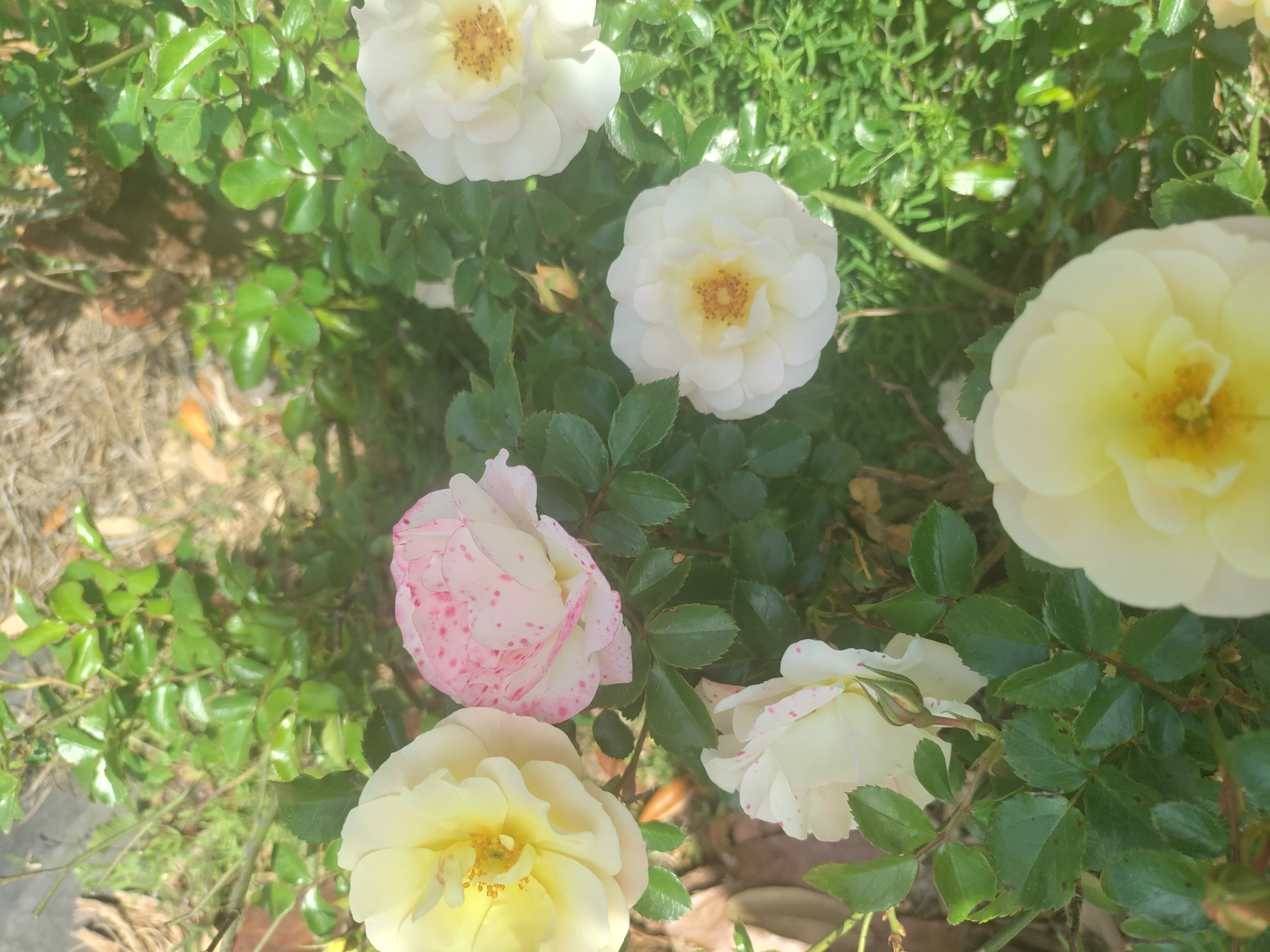
Photos of Flowers:





 Akita International Haiku Network