On March 12, 2021, Adjei Agyei-Baah, my haiku friend sent to me his email, saying as follows.
Dear Hidenori San,
I trust you are well and keeping safe. Please find attached the February 2021 Issue of The Mamba Journal. We hope you will enjoy this issue and share with friends.
Best regards,
AAB
I sincerely hope that our haiku friends will enjoy reading part of the February 2021 Issue of The Mamba Journal here on this website.
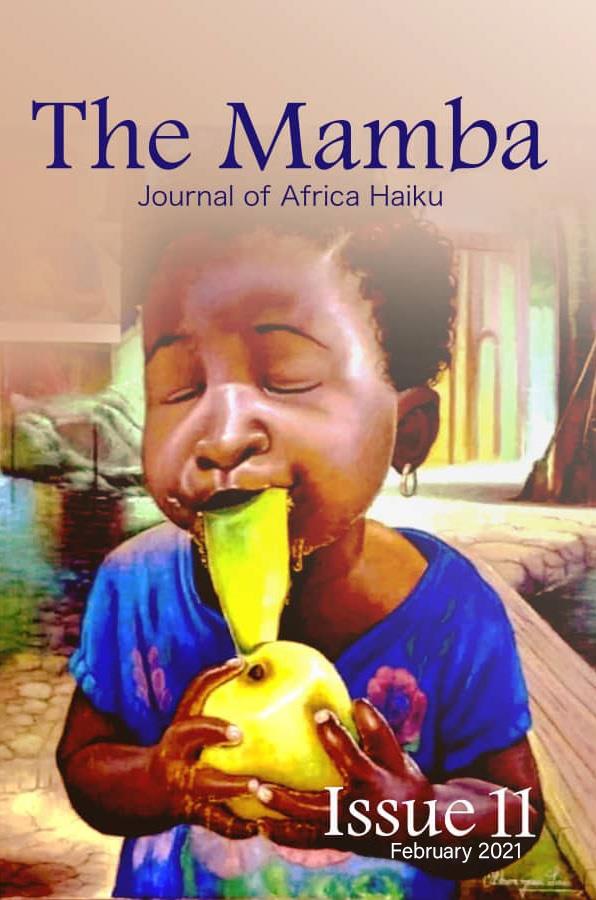
“The Mamba”
Journal of Africa Haiku Network

Edited by:
Adjei Agyei-Baah
Emmanuel Jessie Kalusian
All works published in “The Mamba Issue 11, 2021 remain the copyright of each individual poets featured in this issue.
Published by Africa Haiku Network
P.O. Box KJ703
Kumasi, Ghana
+2330202576868
+2348088672475
+64 211007202
Founding Chief Editors:
Adjei Agyei-Baah (Ghana)
Emmanuel Jessie Kalusian (Nigeria)
Assistant Editor: Celestine Nudanu (Ghana)
Essay/Article Editor: Justice Joseph Prah (Ghana)
Secretary: Kwaku Feni Adow (Ghana)
Layout Artist: Augustine Tetteh (Ghana)
Cover Designer: John Amankwaa (Ghana)
Cover Image: Oldson Jean Louis
E-mail:africahaikunetwork@gmail.com
Editors’ Note
We are indeed excited to bring to you another wonderful edition of your prestigious African haiku journal, The Mamba. As the world is recovering from a deadly pandemic, we are poised once more to face our daily challenges; to dream again as humans. This is evidenced in the quality of submission received from around the world for this issue. Also worthy of mention is the maiden edition of our Africa Haiku Prize 2020, an award that sets the pace both as a continental award and the first of its kind in Africa. Lastly, we welcome new haiku voices from Ghana and Nigeria who have written for this issue. Enjoy!
Adjei Agyei-Baah
Emmanuel Jessie Kalusian
February 2021
Contents
Editors’ Note
EDITOR’S CHOICE
Justice Joseph Prah (Ghana)
Mount Kili……………………………… 2
marble temple god………………….. 2
Isaac Ofori-Okyere (Ghana)
harvested rains………………………. 3
Hosni Eltohami (Egypt)
a small hut−…………………………… 4
Celestine Nudanu (Ghana)
harmattan dust……………………….. 5
night tremor…………………………… 5
Jerome Masamaka (Ghana)
brown river……………………………. 6
Rachel Rabo Magaji (Nigeria)
Christmas Eve . . ……………………. 7
withered pines −…………………….. 7
Jibril Dauda Muhammad (Nigeria)
Eid al-Fitr −………………………….. 8
Ogedengbe Tolulope Impact (Nigeria)
villagers………………………………… 9
Harriet Hedoti Wiafe (Ghana)
afternoon nap………………………. 10
Patrick Wafula Wanyama (Kenya)
Covid Christmas−………………… 11
curfew hour−……………………….. 11
Priscilla Arthur (Ghana)
in harmattan’s jaw………………… 12
deluge………………………………….. 12
morning sonata…………………….. 12
Alogo Bernard Michael (Nigeria)
pitch darkness . . ………………….. 13
supremacy battle . . ……………… 13
Sarra Masmoudi (Tunisia)
rainy day−…………………………… 14
Obed Benyin-Mensah (Ghana)
election day−……………………….. 15
Kofi Sedem Letsa (Ghana)
school reopens . . …………………. 16
a goat skitters………………………. 16
village road . . ……………………… 16
a path to the farm…………………. 16
Ayisi Gordon Gullanyi (Ghana/Russia)
harmattan heat…………………….. 17
starlit night…………………………… 17
Usman Karofi (Nigeria)
flash rain. . ………………………….. 18
Nana Fredua-Agyeman (Ghana)
knockout −…………………………… 19
Taofeek Ayeyemi (Nigeria)
disappearing ……………………….. 20
bush burning . . ……………………. 20
Blessmond Alebna Ayinbire (Ghana)
moonless night……………………… 21
Emmanuel Jessie Kalusian (Nigeria)
short night……………………………. 22
ride home…………………………….. 22
Men’s Day−…………………………. 22
Kwaku Feni Adow (Ghana)
playground…………………………… 23
Maria Steyn (South Africa)
lockdown dusk . . …………………. 24
Deborah Ajilore (Nigeria)
harmattan ending . . …………….. 25
Oluwasegun Oluseyi Adesina (Nigeria)
warm afterglow . . ………………… 26
Anthony Itopa Obaro (Nigeria)
rice harvest −………………………. 27
end of war −…………………………. 27
The Village Road
the float of kapok………………….. 28
village road −………………………. 28
crossroad…………………………….. 28
countryside encounter…………… 28
end of day…………………………….. 28
Nikolay Grankin (Russia)
Milky Way……………………………. 32
Dejan Pavlinovic (Croatia)
over the ridge……………………….. 33
Corine Timmer (Portugal)
children……………………………….. 34
Agus Maulana Sunjaya (Indonesia)
a little chitchat……………………… 35
Roy Duffield (Spain)
head spinning……………………….. 36
Ismail Sharifi (Iran)
the broken window,……………….. 37
Boluwatife Elisha Alonge (United Arab Emirates)
harmattan peak−………………….. 38
Gregory Piko (Australia)
hanging out …………………………. 39
Julia Guzmán (Argentina)
red dragonfly−……………………… 40
Jorge Alberto Giallorenzi (Argentina)
bombed building−…………………. 41
Abdelkader Jamoussi (Morocco)
dark night…………………………….. 42
Cristina Angelescu (Romania)
what’s left……………………………..43
Cristina Angelescu (Romania)
renovating…………………………….44
Keith Simmonds (France)
a frightened doe……………………. 45
an old farmer……………………….. 45
Naseh Rahimi (Iran)
migratory swallows………………. 46
Mark Teaford (United States)
once or twice a year……………… 47
Milan Rajkumar (India)
tai chi . . ………………………………48
Mohammad Azim Khan (Pakistan)
marathon run ………………………. 49
rainmaker ……………………………. 49
Dejan Pavlinovic (Croatia)
over the ridge……………………….. 50
Marta Chocilowska (Poland)
morning reading…………………… 51
Goran Gatalica (Croatia)
remnants of daylight −………….. 52
Ivan Gaćina (Croatia)
a hunched old woman……………. 53
Arvinder Kaur (India)
cumulous clouds…………………… 54
Angela Giordano (Italy)
lock of horns−………………………. 55
Hemapriya Chellappan (India)
harmattan deepens−……………… 56
Maya Daneva (The Netherlands)
storm-tossed………………………… 57
Vijay Prasad (India)
seashore………………………………. 58
Jay Friedenberg (United States)
old aerodrome………………………. 59
Quendryth Young (Australia)
sizzling summer…………………….60
Christina Chin (Malaysia)
mangrove swamp………………….. 61
Neena Singh (India)
desert sunset………………………… 62
Hifsa Ashraf (Pakistan)
city riots deepening the minaret’s cracks………………………………….. 63
Lakshmi Iyer (India)
how much……………………………..64
Mirela Brăilean (România)
lockdown −………………………….. 65
Slobodan Pupovac (Croatia)
full moon………………………………66
Marilyn Humbert (Australia)
green sea waves−…………………. 67
Djurdja Vukelic Rozic (Croatia)
town festival………………………….68
Tsanka Shishkova (Bulgaria)
five pm…………………………………. 69
no sharp stones in the sea an old sailors’ song…………………………. 69
Gillena Cox (Trinidad & Tobago)
unstirring (Haiga)………………… 70
rumbling thunder −………………. 71
Bakhtiyar Amini (Germany)
lunch break………………………….. 72
Roberta Beach Jacobson (United States)
voices echo…………………………… 73
Ingrid Baluchi (Macedonia)
refugee camp……………………….. 74
Daniela Misso (Italy)
anthill top–…………………………… 75
Tawfigh Alnassari (Iran)
villagers………………………………. 76
Meik Blöttenberger (United States)
first time in the river……………… 77
Wilbert Salgado García (Nicaragua)
unpaid worker: …………………….. 78
John Zheng (United States)
Spring rain…………………………… 79
Abderrahim Bensaïd (Morocco)
open window…………………………80
Haiban by Matthew Caretti (United States)
An Obligation to the Ephemeral..81
EDITOR’S CHOICE
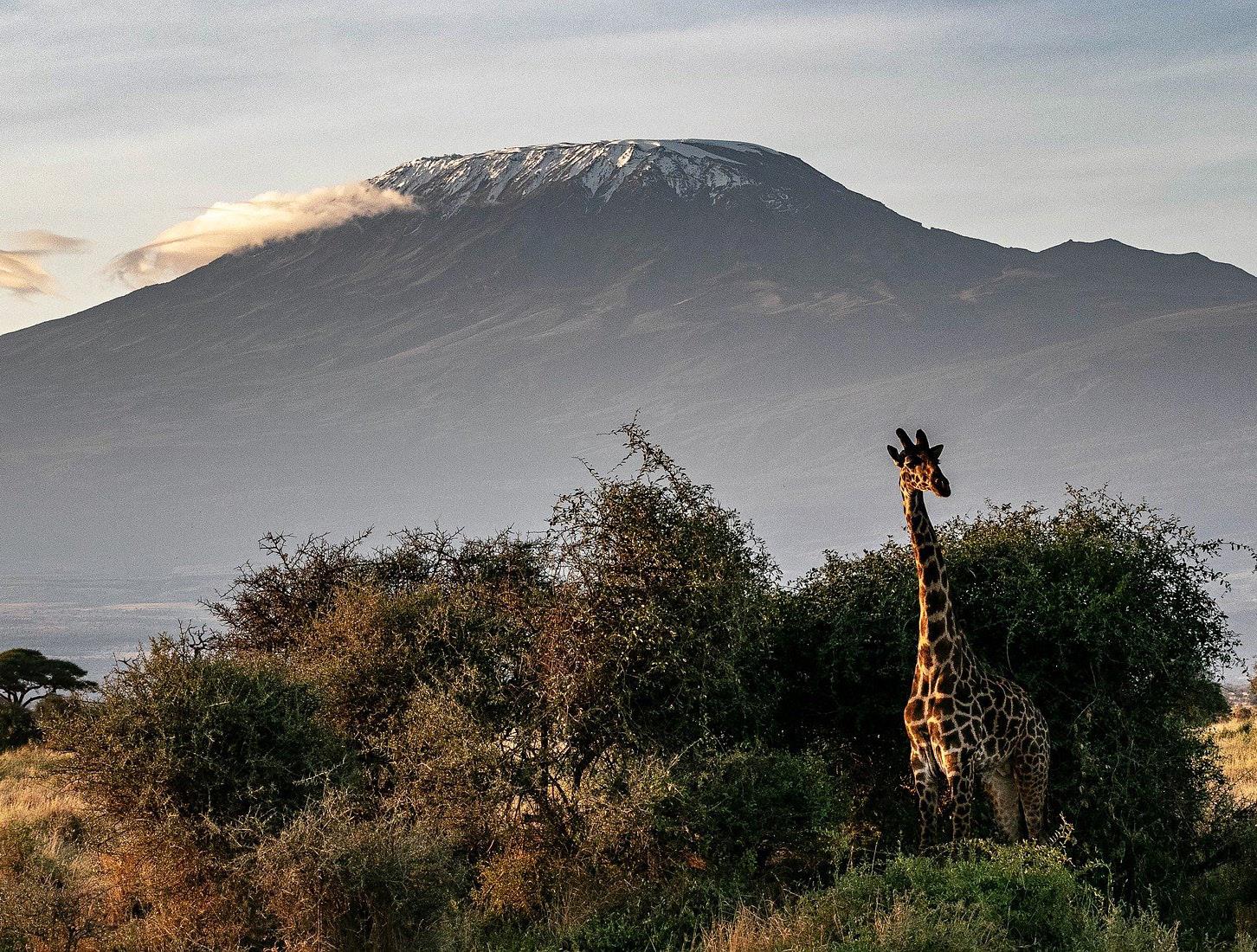
mount Kili
thousand times
father climbs it in folktales
Joseph Justice Prah (Ghana)
キリマンジャロ
千回
父は民話で登る
I chose the haiku for the Editor’s Choice for its stark depiction of the African culture or tradition of storytelling. Storytelling is as old as civilization, and for Africans, one of the forms of storytelling, or one of the ways of telling our story is through the use of folktales. Folktales tell the story of heroes and heroines, and their exploits. Folktales glorify the exploits of African heroes and heroines. One beautiful aspect of the poem is the way the poet brings to life the culture or heritage of Africa this capturing the essence of Afriku. Through the words of the poem, I picture a grandfather, surrounded by his grandchildren, listening to the story of his exploits, possibly climbing Mount Kili to fight invading warriors. Grandpa must have told this story a thousand times, but to the grandkids, the story is fresh every time they hear it.
Again, a bit of exaggeration is used in the second line to reflect another aspect of storytelling in the African setting, oral tradition. Did grandpa actually climb Mount Kili or he embellishes the story to excite the interest and attention of his grandkids? That, is the essence of folktales. And for me, the poet has captured beautifully, the true impact of Afriku.
Celestine Nudanu
February 2021
Celestine Nudanu (Ghana)
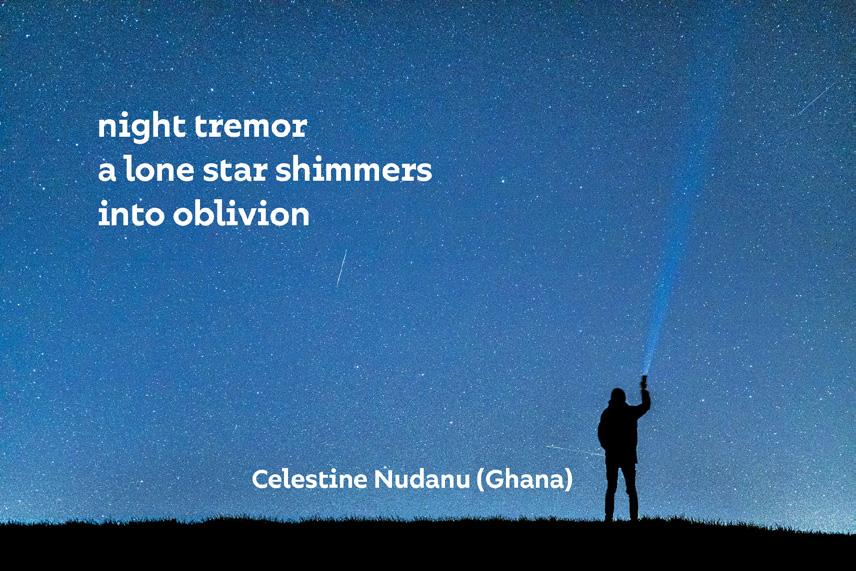
harmattan dust
wiping my slate clean
for the new year
ハーマタンの塵
私の石板をきれいに拭く
新年のために
Harriet Hedoti Wiafe (Ghana)
afternoon nap
in the cool of the river
my canoe for a hammock
お昼寝
涼しい川の中で
ハンモック用のカヌー

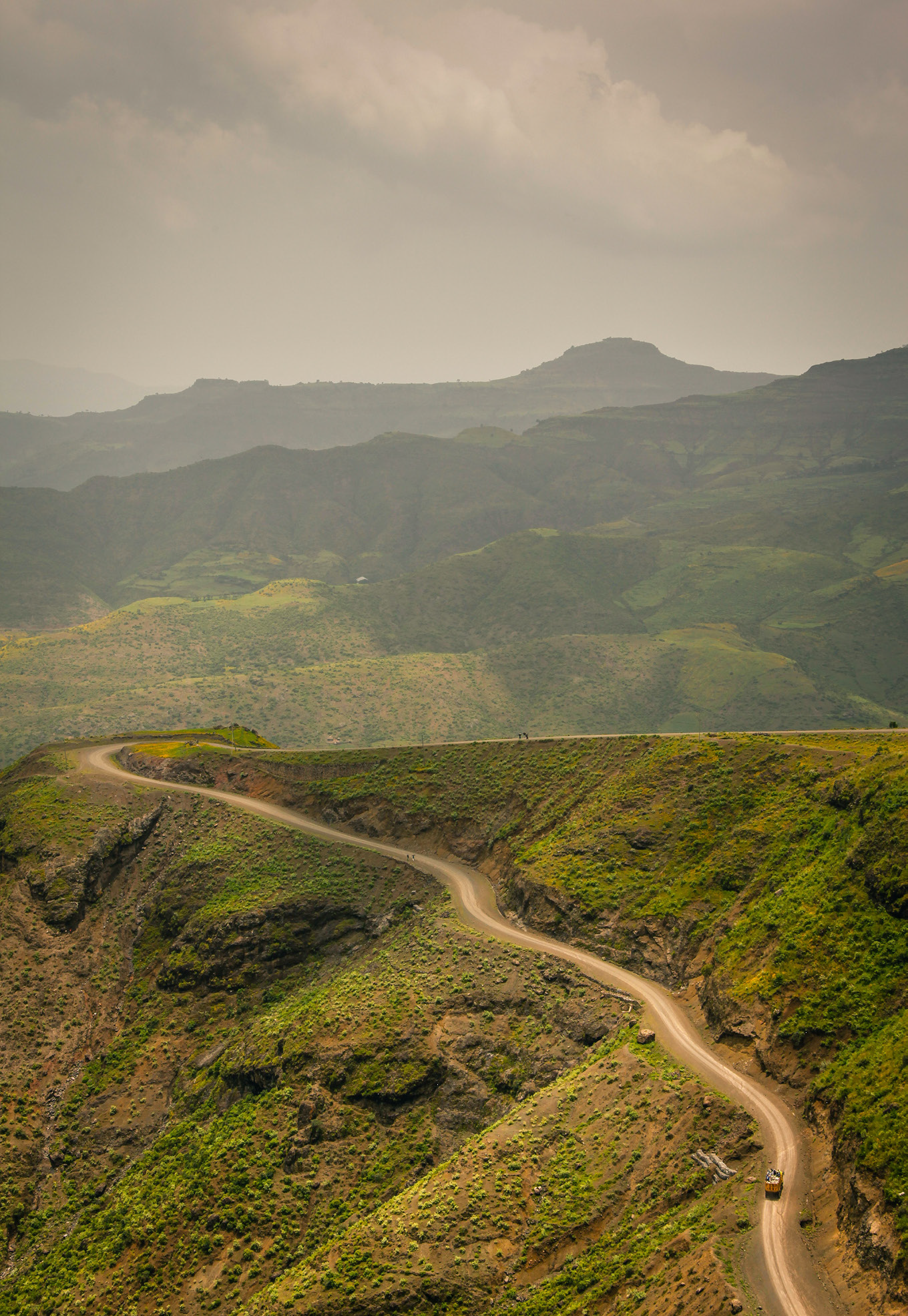
The Village Road
(Africa Haiku Sequence) by Adjei Agyei-Baah
the float of kapok
in harmattan winds −
village road
カポックの山車
ハーマタンの風の中
村の道
village road −
the caked droppings
of cattle gone ahead
村の道路
固まった糞
先に進んだ牛の
crossroad
stopping for each other
a dung beetle and I
交差点
お互いに立ち止まる
食糞コガネムシと私
countryside encounter
a smiling cowherd
bares brown teeth
田舎の出会い
笑顔の牛飼い
茶色の歯をむき出しにする
end of day
returning peasants trudge
under log loads
一日の終わり
帰る農民たちが重い足どりで歩く
丸太の荷を背負って
HAIKU FROM EUROPE & OTHER PLACES
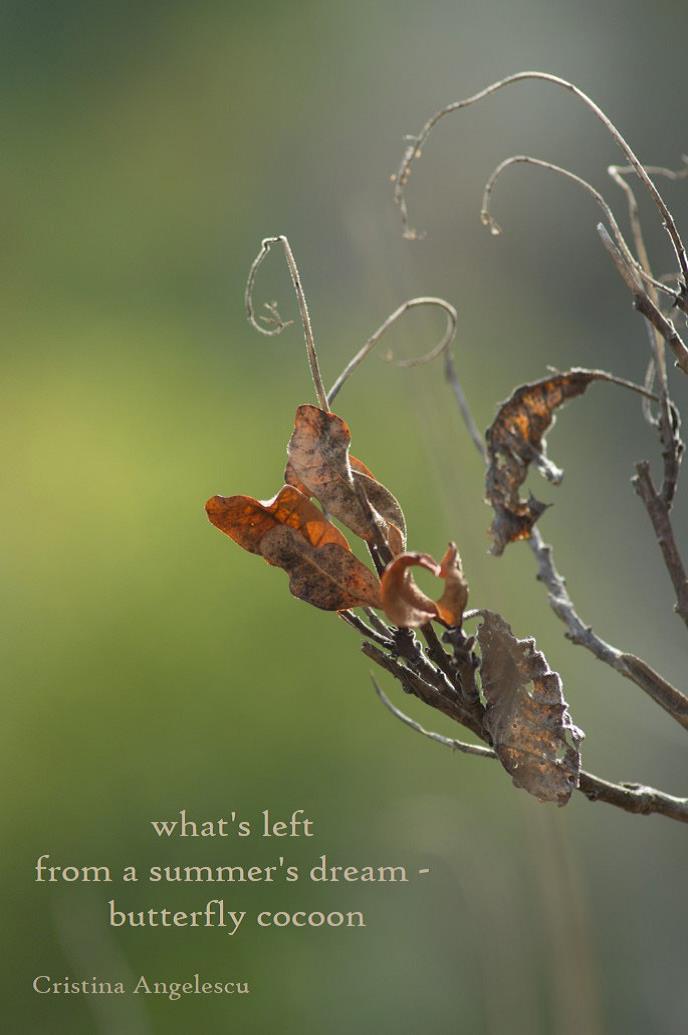
Cristina Angelescu (Romania)
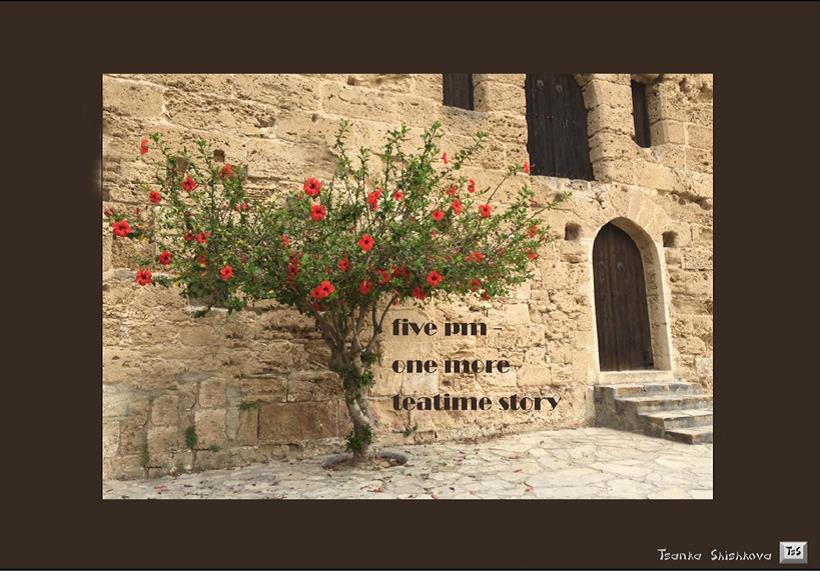
Tsanka Shishkova (Bulgaria)
five pm
no sharp stones in the sea an old sailors’ song
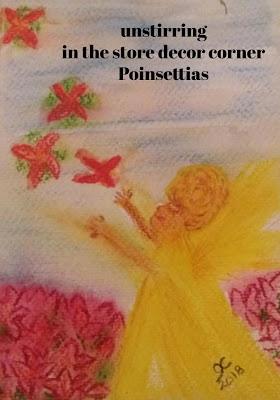
Gillena Cox (Trinidad & Tobago)
ー Translated into Japanese by Hidenori Hiruta
Lastly they say as follows.
Hello good people!
We are receiving submissions for our September 2021 issue of the Mamba, Journal of Africa Haiku Network.
Submissions for the September 2021 issue is opened from now until August 15, 2021.
It’d be our pleasure to have you send us your ever inspiring haiku.
Do see link in post for more info on submission guidelines.
Best, AHN Team.
Submission Guides

 Akita International Haiku Network
Reblogged this on Christina Chin Haiku and commented:
Translations to Japanese of the Mamba : Journal of Africa Haiku 2021,
by Hiruta.