1200 years after the Tencho Earthquake (2)
Kannon and Jizo
Approximately 1200 years have passed since the Tencho earthquake, but it continues to have a significant impact on a wide range of aspects of the lives and culture of the local people. This series focuses on Kannon and Jizo statues.
秋田城
Akita Castle
Akita Castle was an ancient fortified residence located in what is now Akita City, Akita Prefecture, from the Nara period to the mid-10th century during the Heian period.
The founding of Akita Castle dates back to 733 AD (Tempyo 5), when the Dewa Fort was relocated from the Shonai region to Takashimizuoka in Akita Village.
Later, during the Tempyo-Hoji era, it was renamed Akita Castle and played a central role as the administrative, military, diplomatic, and cultural center of northern Dewa Province.
秋田城の構造
Basic Structure of Akita Castle
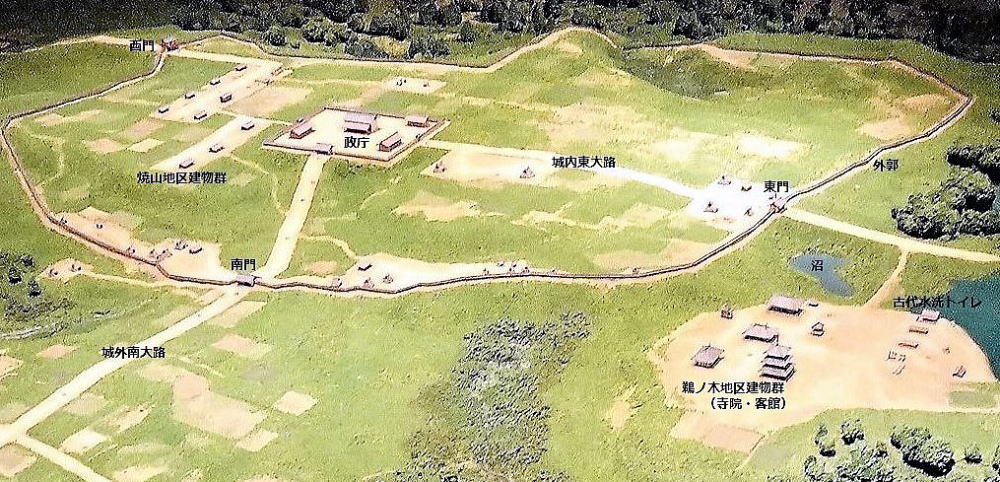
政庁第2期復元模型(770年~800年前後)
Second-phase reconstruction model of the government building
(770 to 800)
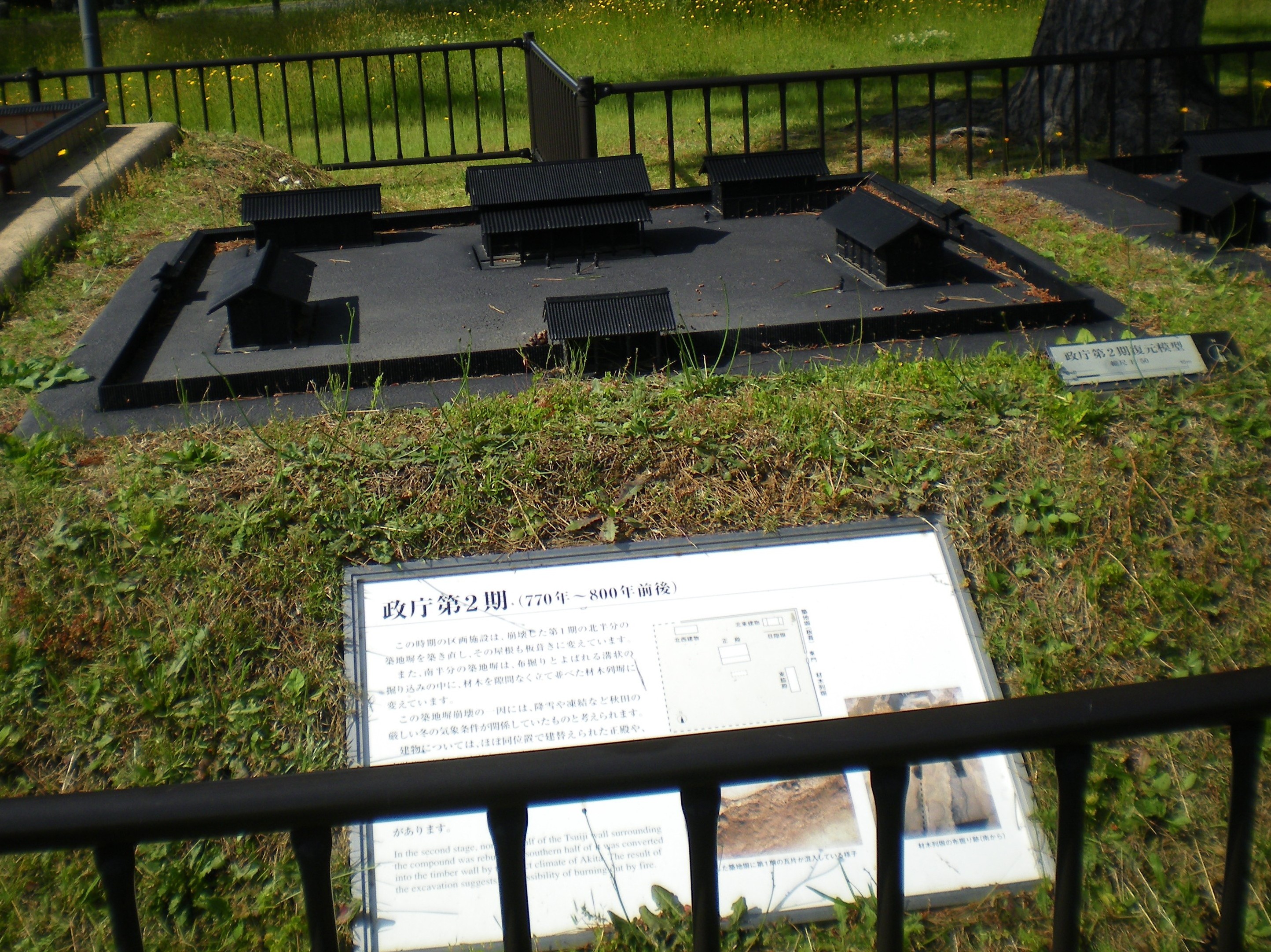
The Dewa Fort, which was moved to Akita in 733 (Tempyo 5), was renamed Akita Castle in 760 (Tempyo-Hoji 4) and subsequently renovated. The organization of Akita Castle was also renewed.
政庁第3期復元模型(800年前後~830年頃)
Third-phase reconstruction model of the government building
(800 to 830)
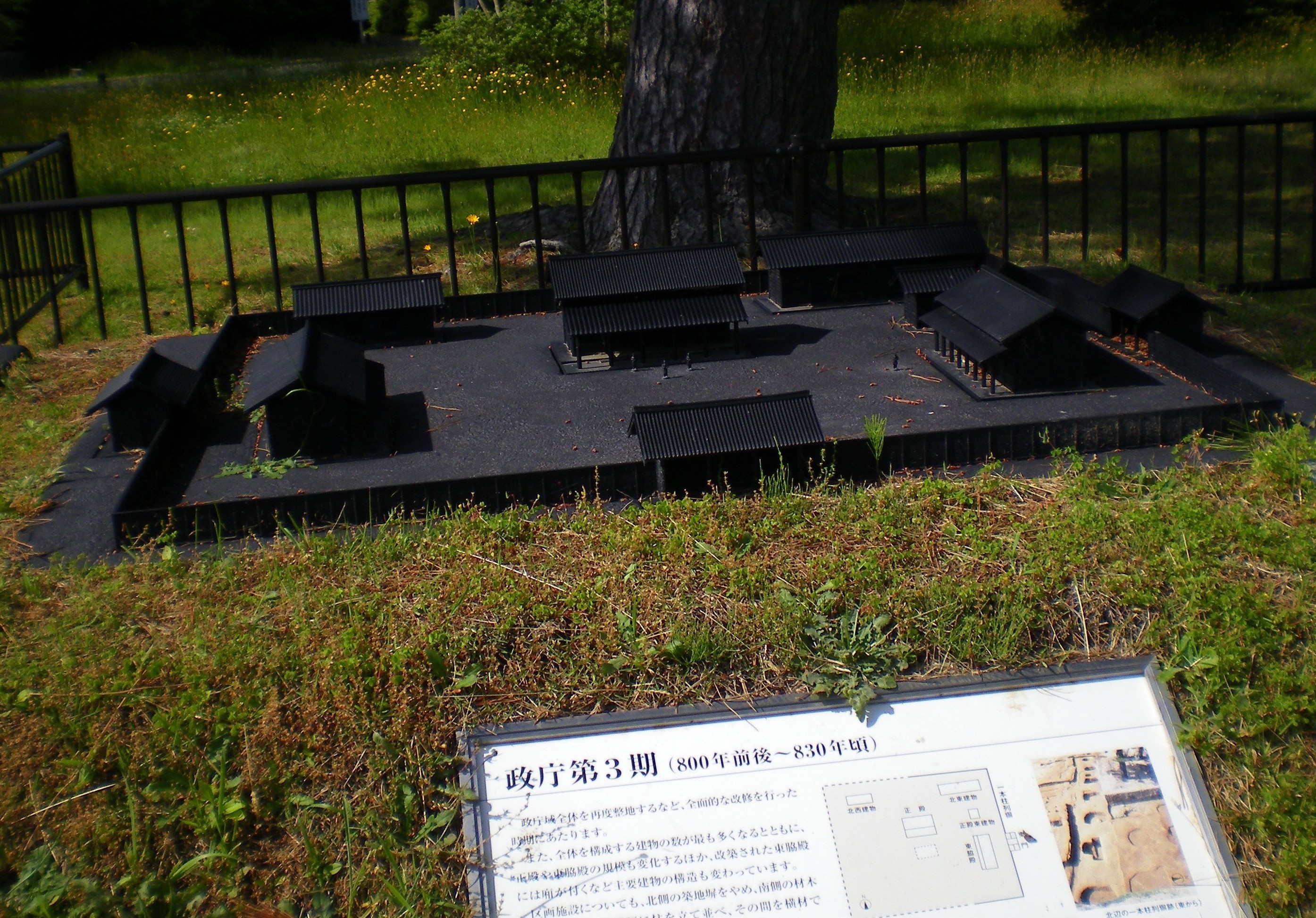
In 804 (Enryaku 23), following the imperial court’s military victory in the Mutsu region, Akita County was established in the Akita area. Simultaneously, Akita Castle was renovated as part of a reorganization of the governance system, and it continued to serve as a military and administrative base in northern Dewa Province.
天長7年(830年)天長地震
830
The Tencho Earthquake in Tencho 7
A massive earthquake struck Akita Castle on the morning of January 3rd, 830 (Tencho 7). The castle grounds collapsed in an instant, and the buildings within the castle were destroyed.
Akita Castle was completely annihilated, and a wide area of Mount Katsuhira also collapsed. Shohei-ji Temple, built at its base, was buried in sand, and many stone Buddha statues were also buried. Some stone Buddha statues were even swept away into the Omono River and the sea.
文治元年(1185年)石像の発見・石山観音
1185
Discovery of the Stone Statue
Ishiyama Kannon
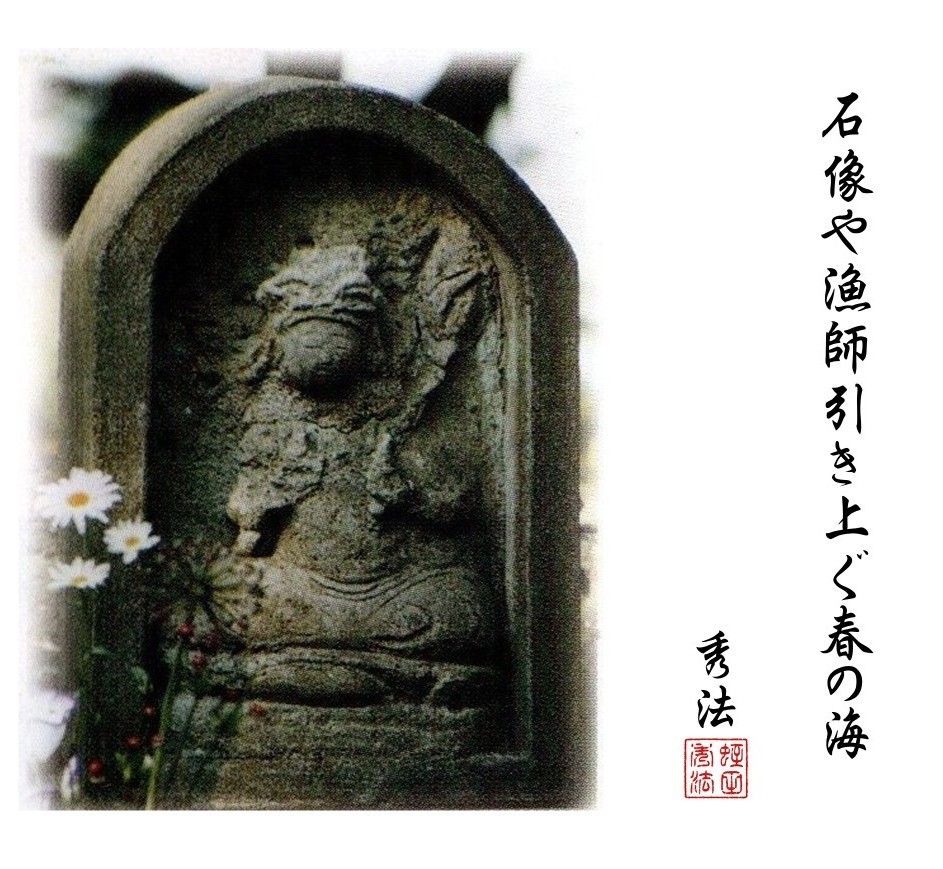
About 355 years after the Tencho earthquake, a stone statue was caught in the net of fishermen who were fishing offshore and pulled from the sea.
The surprised fishermen quickly took it back and built a small shrine on the hill of Katsuhira, which offered a magnificent view, and worshiped it as “Ishiyama Kannon-sama.”
石像や漁師引き上ぐ春の海
The stone statue
pulled up by fishermen from
the spring sea
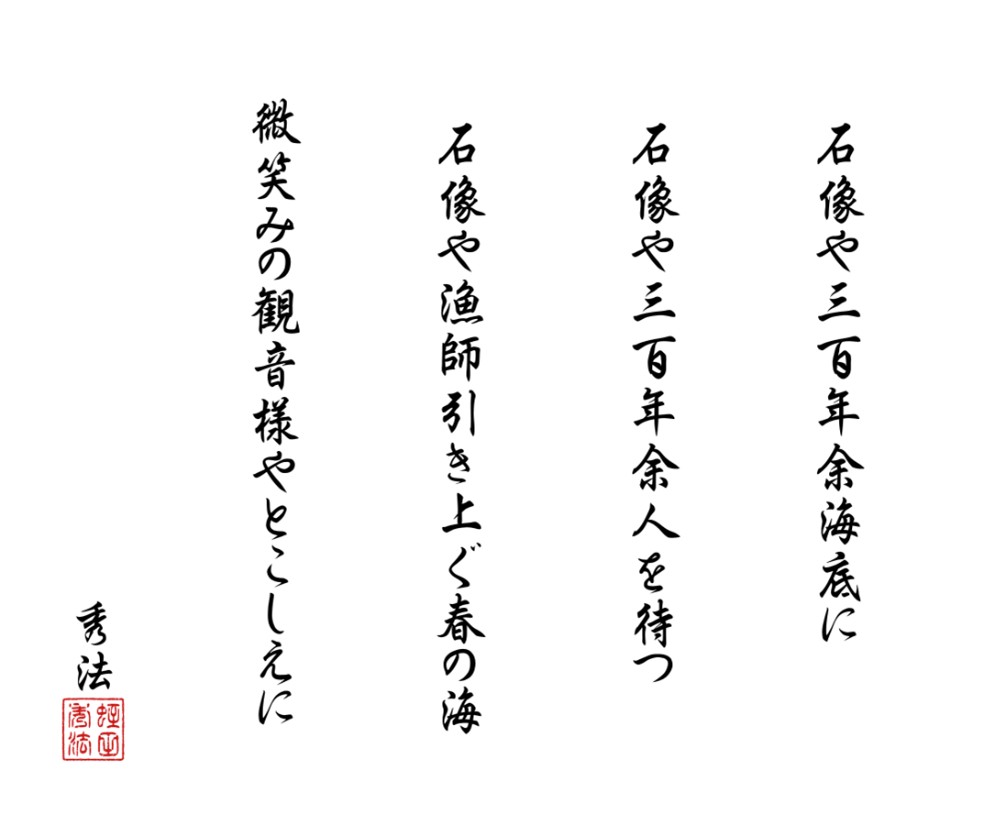
石像や三百年余海底に
Over 300 years
the stone statue sits at the bottom
of the sea
石像や三百年余人を待つ
Over 300 years
the stone statue waits
for men
微笑みの観音様やとこしえに
The stone statue
never fails to smile
for ever
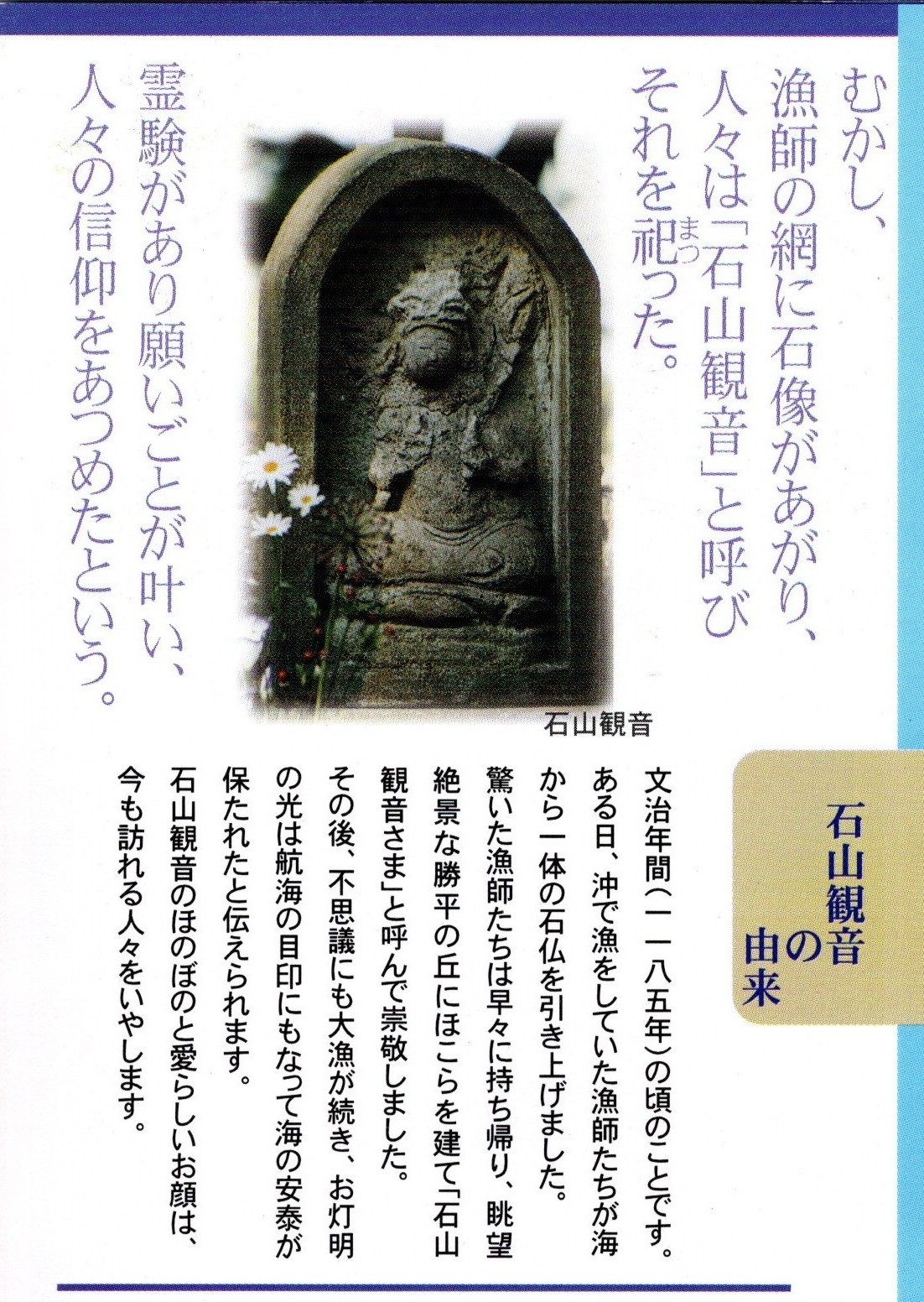
Afterward, miraculously, the fishing continued to be bountiful, and it is said that the light of the small shrine lights offered as thanks served as a guide for navigation, ensuring safe fishing.
Even now, 840 years after the discovery of the stone statue, the gentle and endearing face of Ishiyama Kannon continues to soothe visitors.
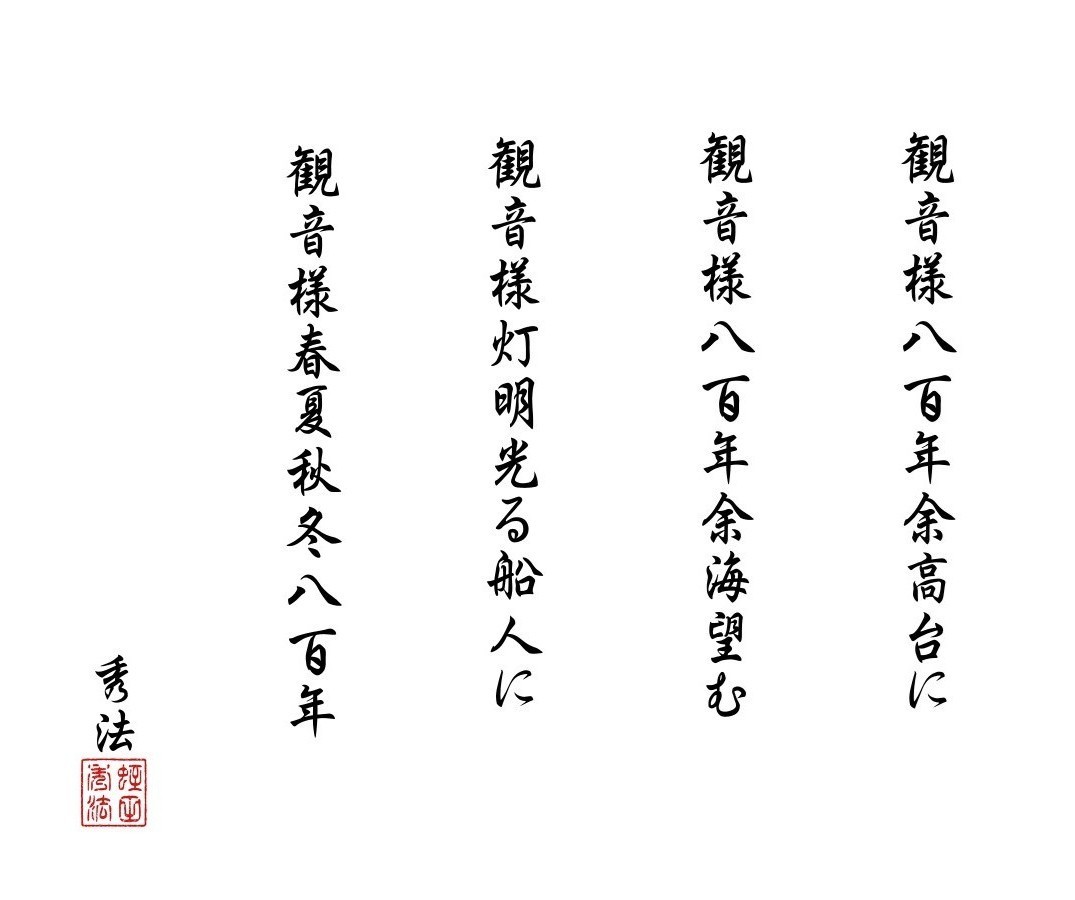
観音様八百年余高台に
Over 800 years
Kannon statue is seated
on a hilltop
観音様八百年余海望む
Over 800 years
Kannon statue is seated
viewing the sea
観音様灯明光る船人に
The lantern
shines from Kannon statue
for fishermen
観音様春夏秋冬八百年
Over 800 years
Kannon enjoys each color of
the four seasons
姉妹地蔵の発見
Discovery of Two Sister Jizo Statues
Time passed, and the two sister Jizo statues were once again pulled up together in a net of fishermen.
The older Jizo, who watches over people’s lives within a small shrine, and the younger Jizo, who watches over the sea, are about the same height and have similar faces. They hold a wish-granting jewel in their left hand and a staff in their right.
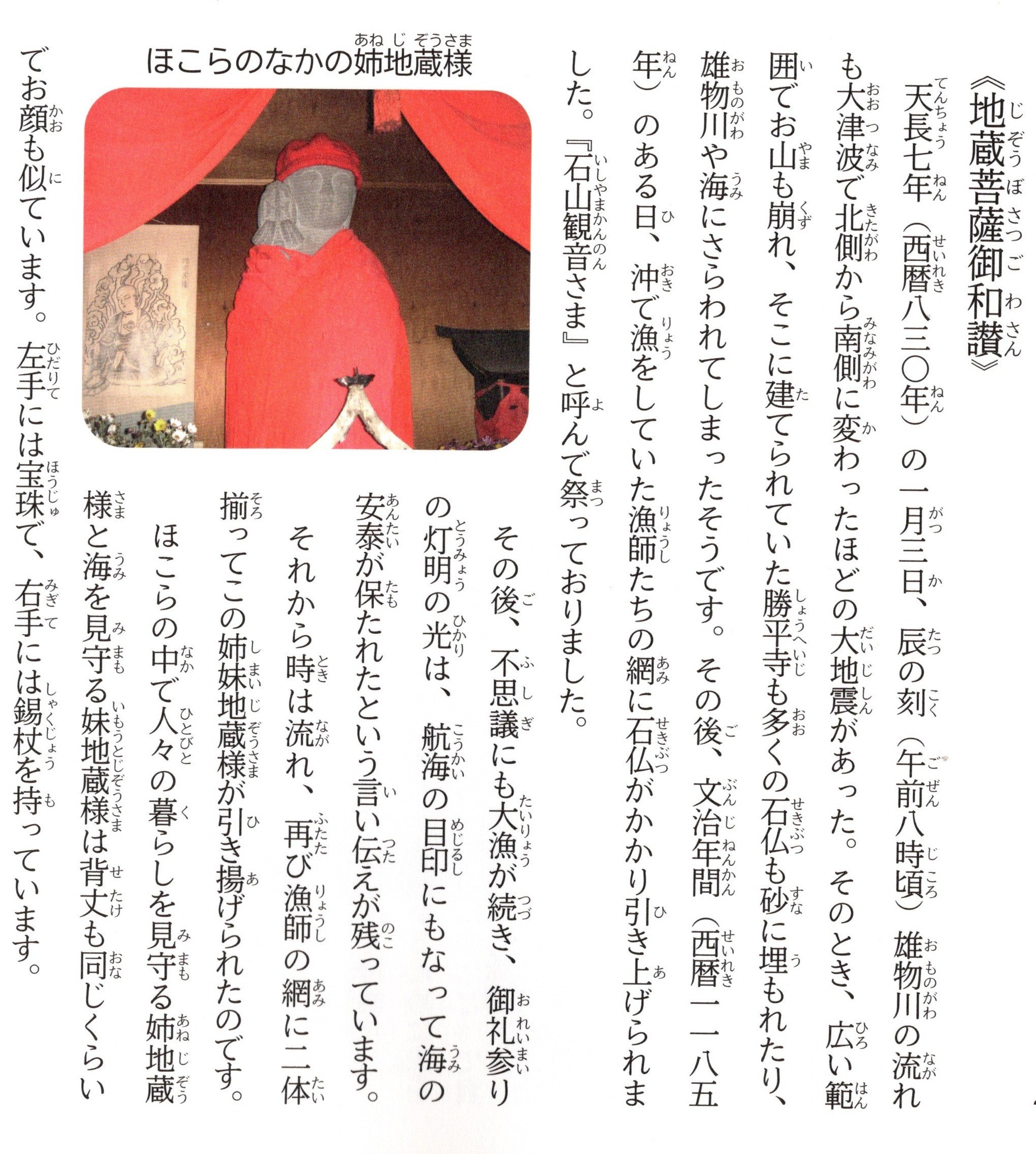
祠の中の姉地蔵様
The Older Jizo Statue inside the small shrine
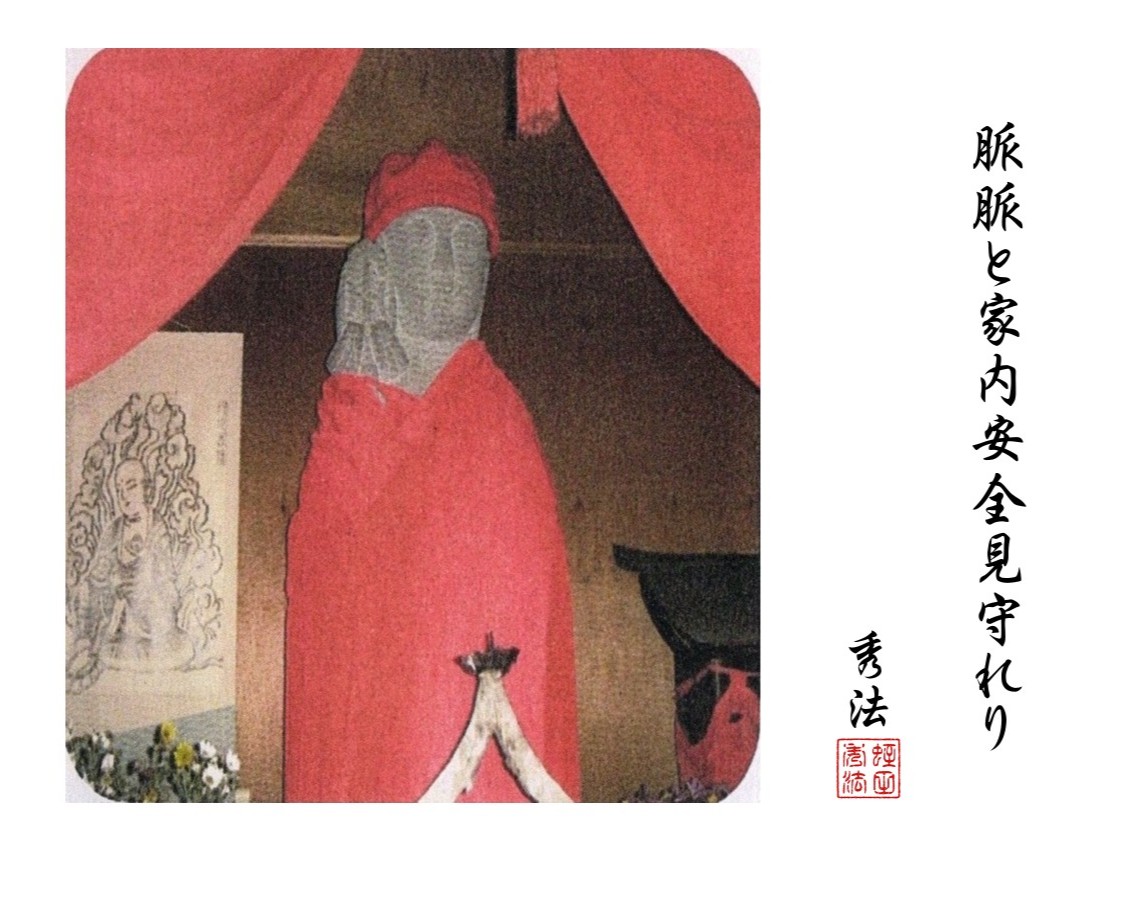
脈脈と家内安全見守れり
Older sister Jizo
over the family
ensuring their safety and well-being
勝平山の妹地蔵様
The Younger Sister Jizo Statue in Katsuhira Mountain
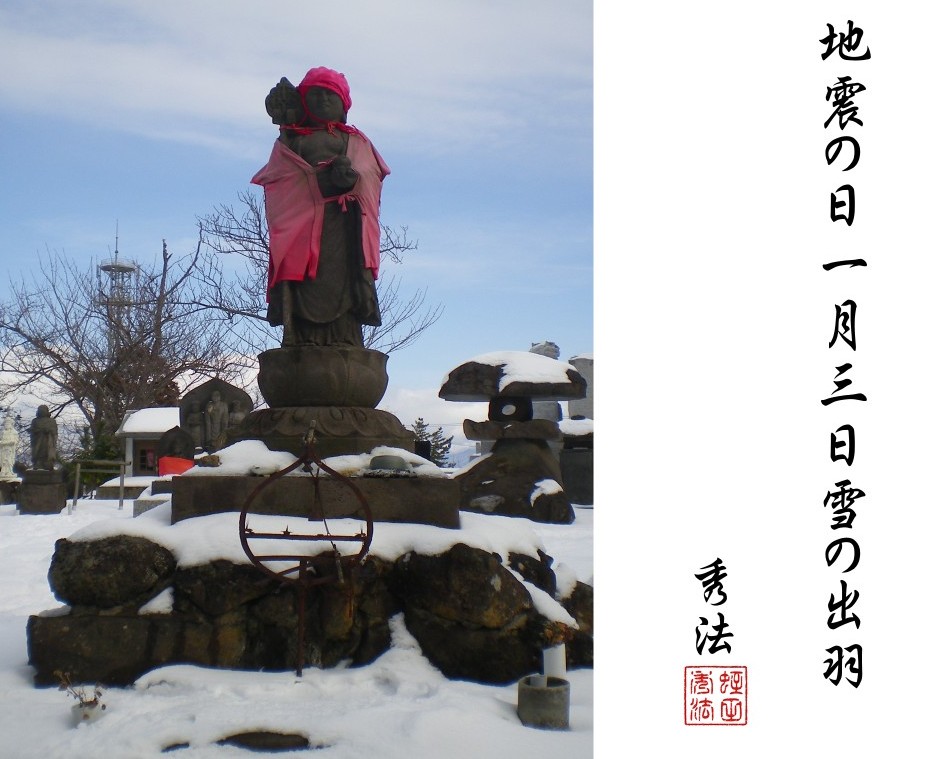
地震の日一月三日雪の出羽
January 3
the day of the earthquake
in the snowy Dewa province
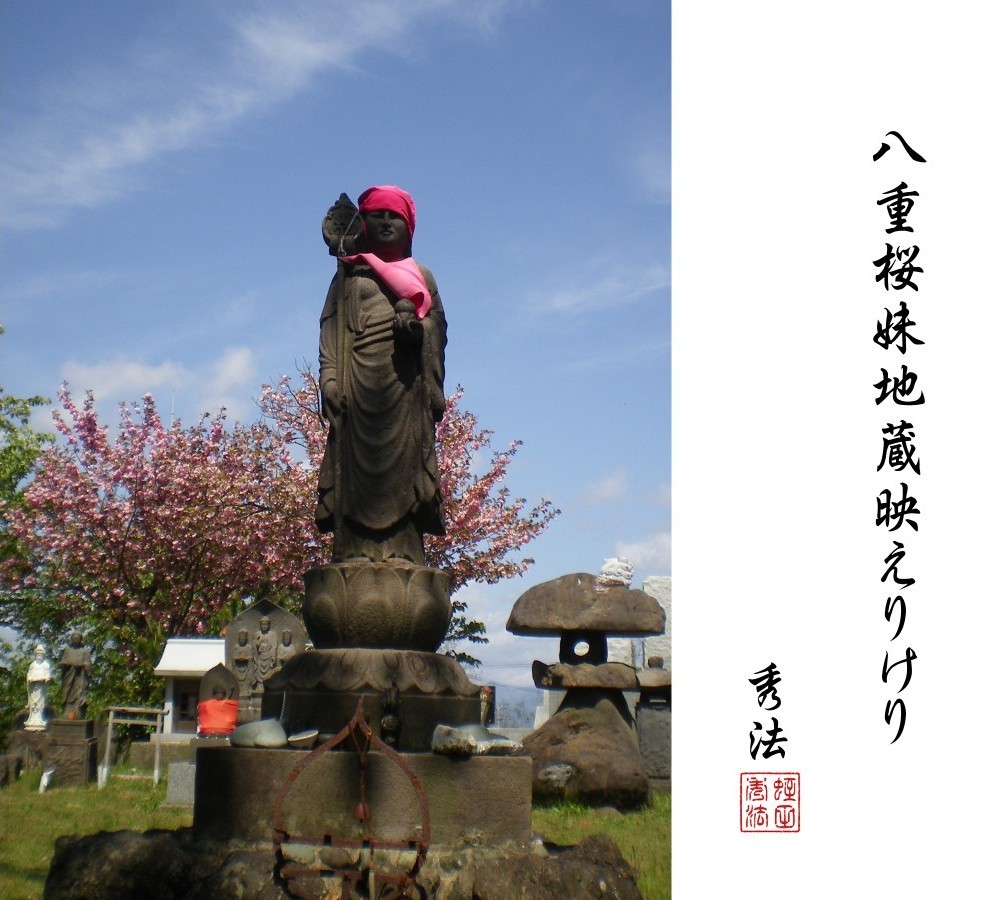
八重桜妹地蔵映えりけり
Double cherry blossoms
and younger sister Jizo
a beautiful contrast
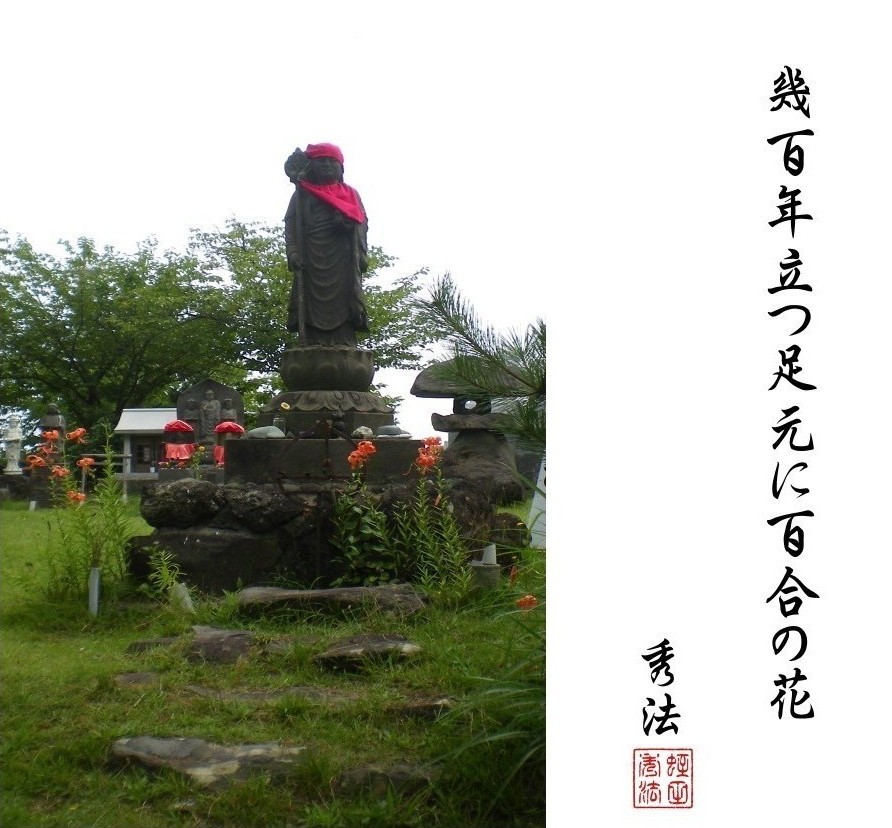
幾百年立つ足元に百合の花
Hundreds of years
lilies bloom
at the foot of Jizo statue
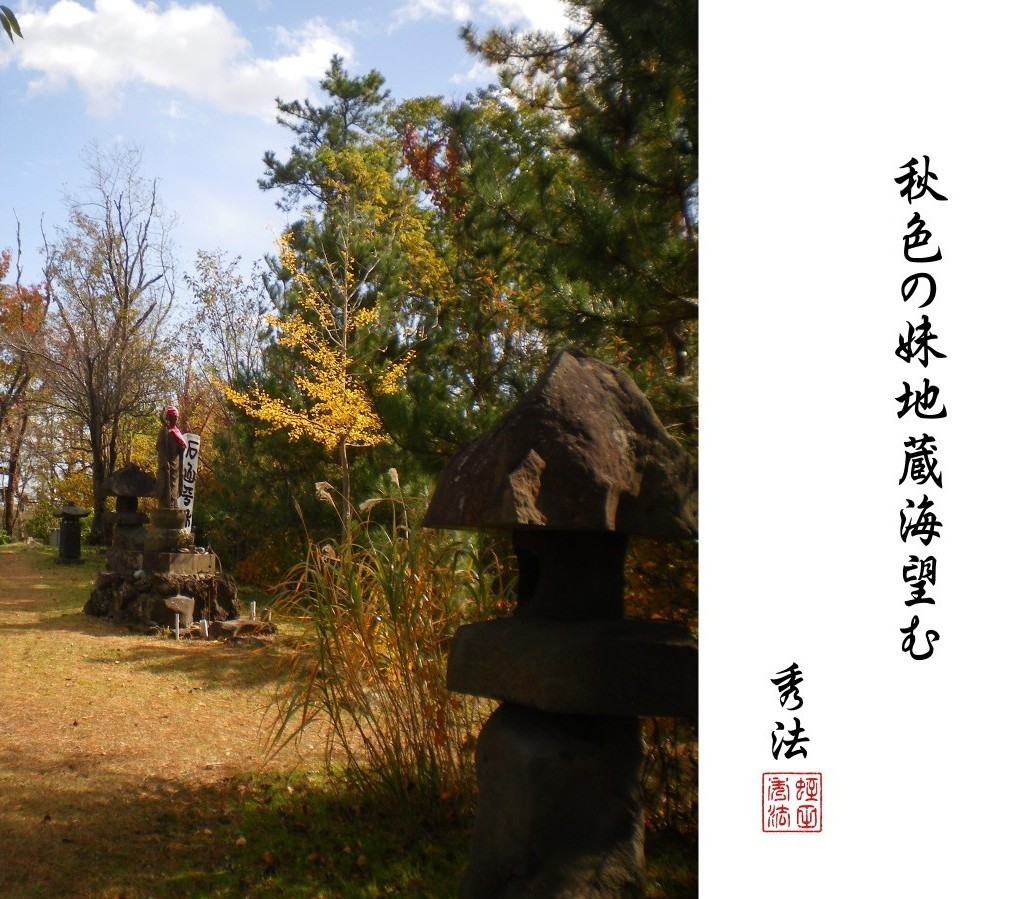
秋色の妹地蔵海望む
In autumn color
younger sister Jizo stands
viewing the sea
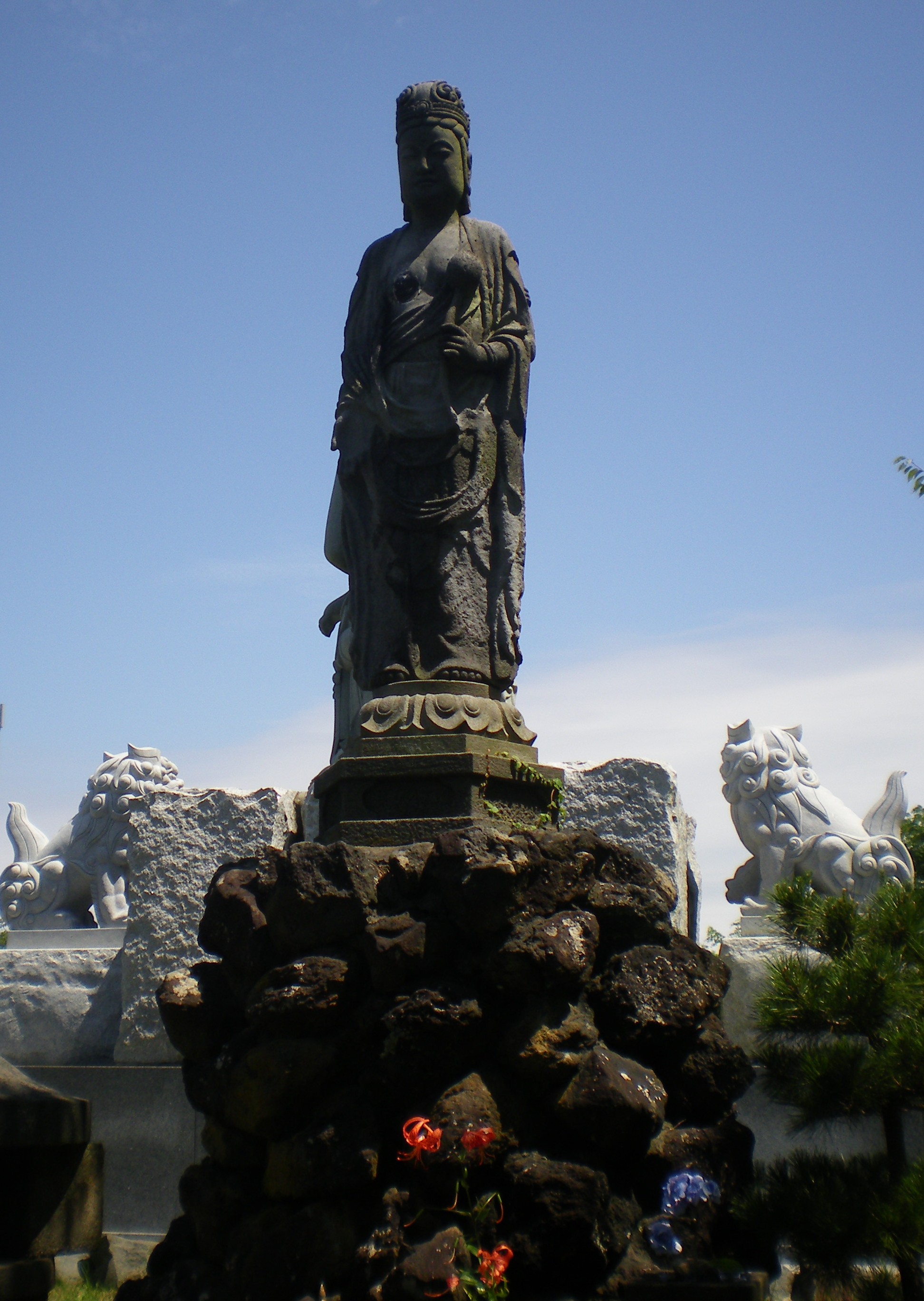
石山平和観音
昭和27年5月11日
Ishiyama Peace Kannon
May 11, 1952
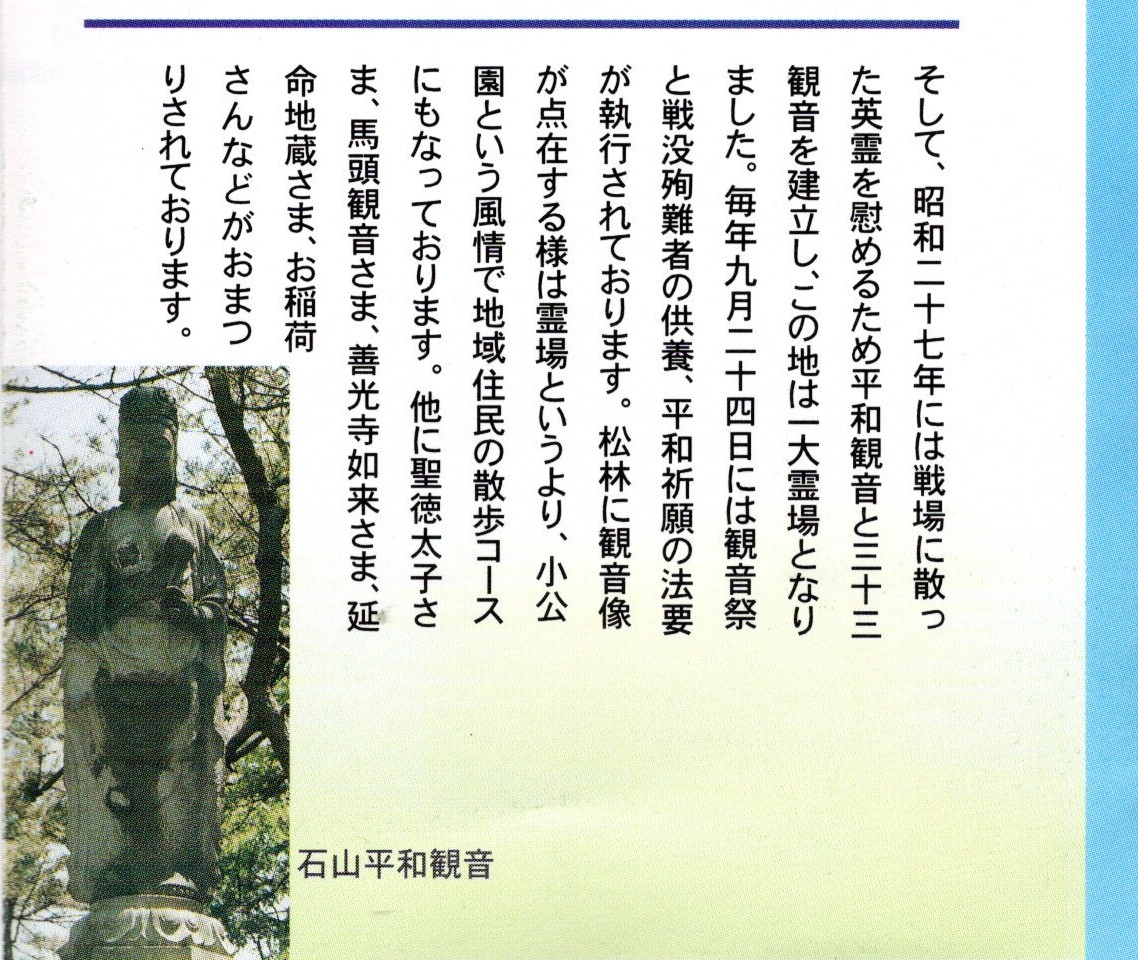
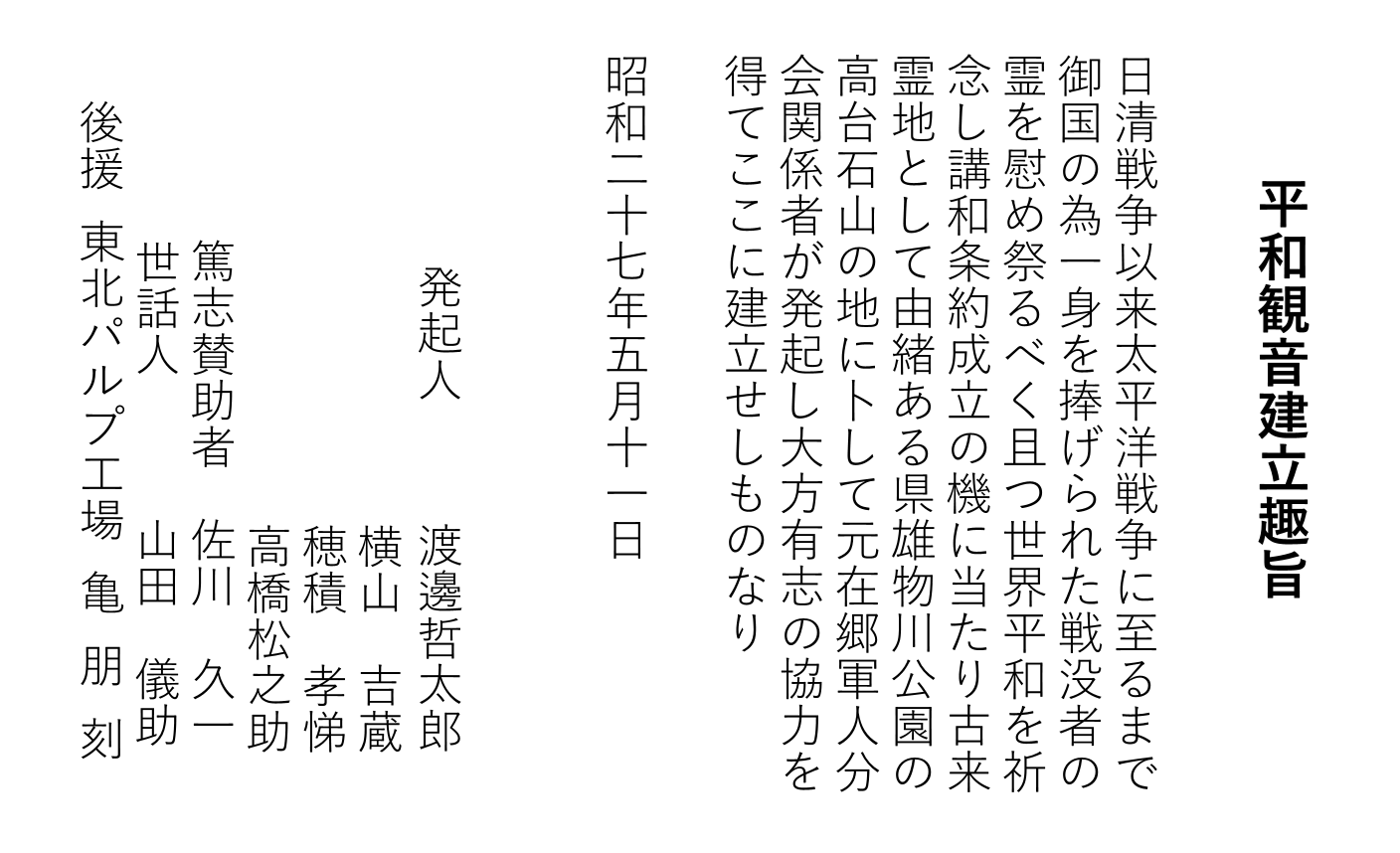
On May 11, 1952 (Showa 27), the Ishiyama Peace Kannon was erected to console and honor the spirits of those who sacrificed their lives for their country from the First Sino-Japanese War to the Pacific War, and to pray for world peace.
It was erected on Ishiyama, a hilltop in the prefectural Omonogawa Park, a place of historical significance as a sacred site, initiated by former members of the local veterans’ association and largely with the cooperation of volunteers.
Furthermore, thirty-three Kannon statues were also erected.
石山平和観音の建立の趣旨は次の通りです。
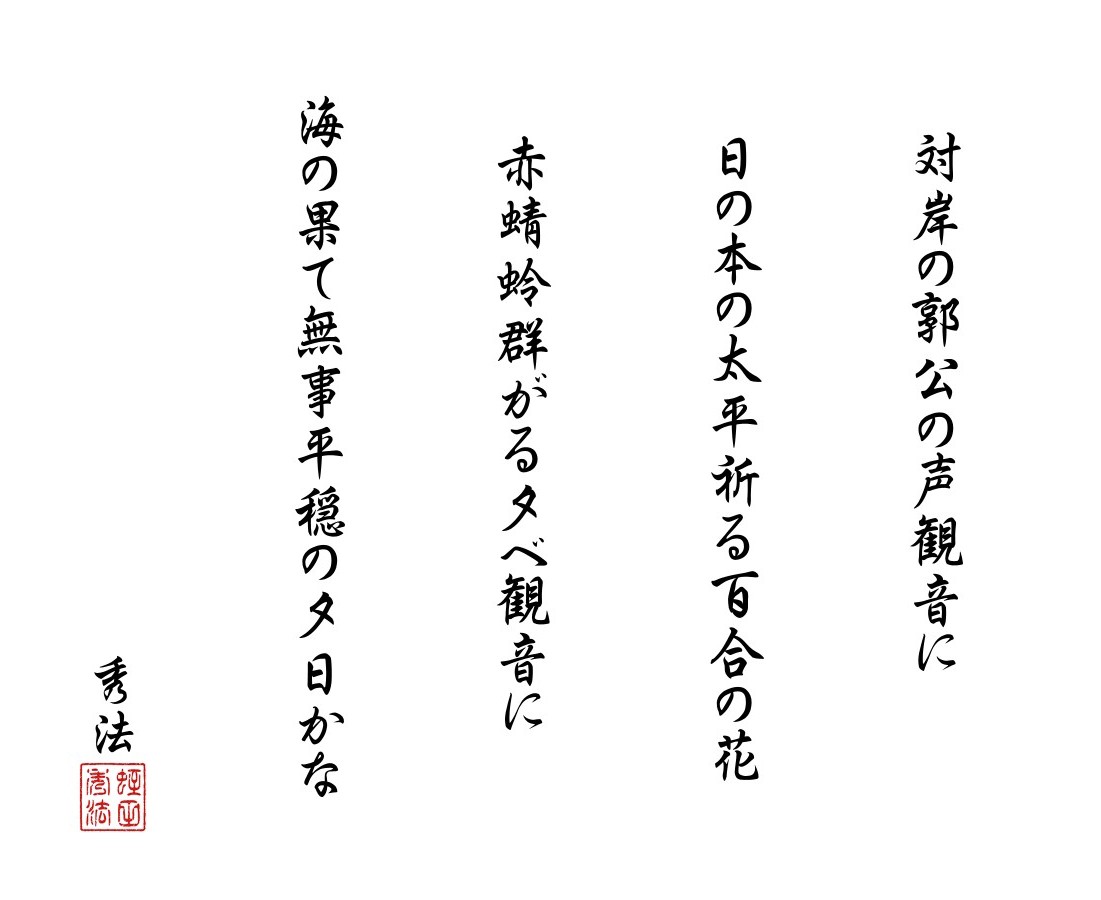
対岸の郭公の声観音に
The cuckoo’s voice
from the other bank
to Kannon
日の本の太平祈る百合の花
Lilies praying for peace
in Japan
the land of the rising sun
赤蜻蛉群がる夕べ観音に
Red dragonflies
get together at Kannon
in the evening
海の果て無事平穏の夕日かな
At the other shore of the sea
the sun setting into peace
三十三観音
昭和27年5月11日
Thirty-three Kannon
May 11, 1952
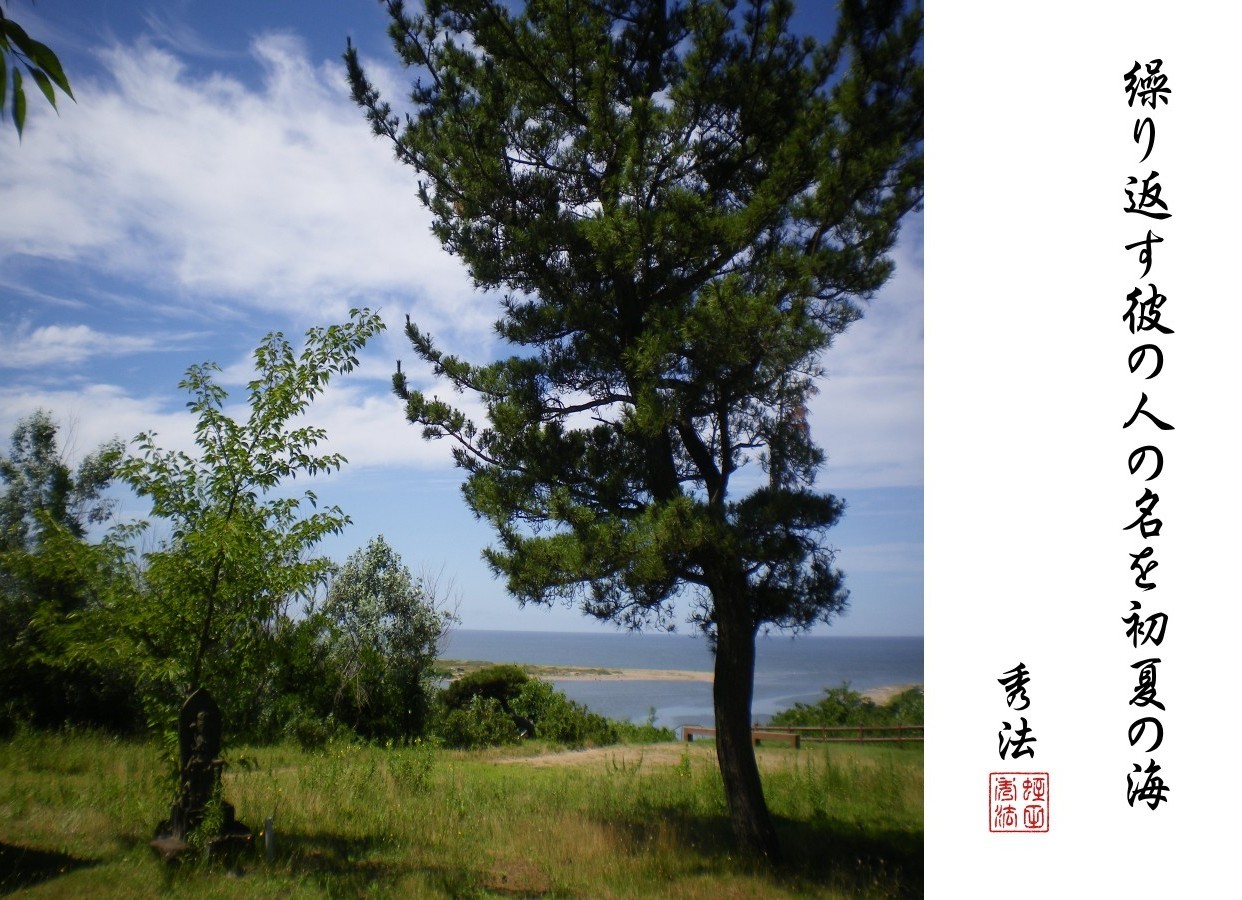
繰り返す彼の人の名を初夏の海
The sea waves
repeating his name
early summer
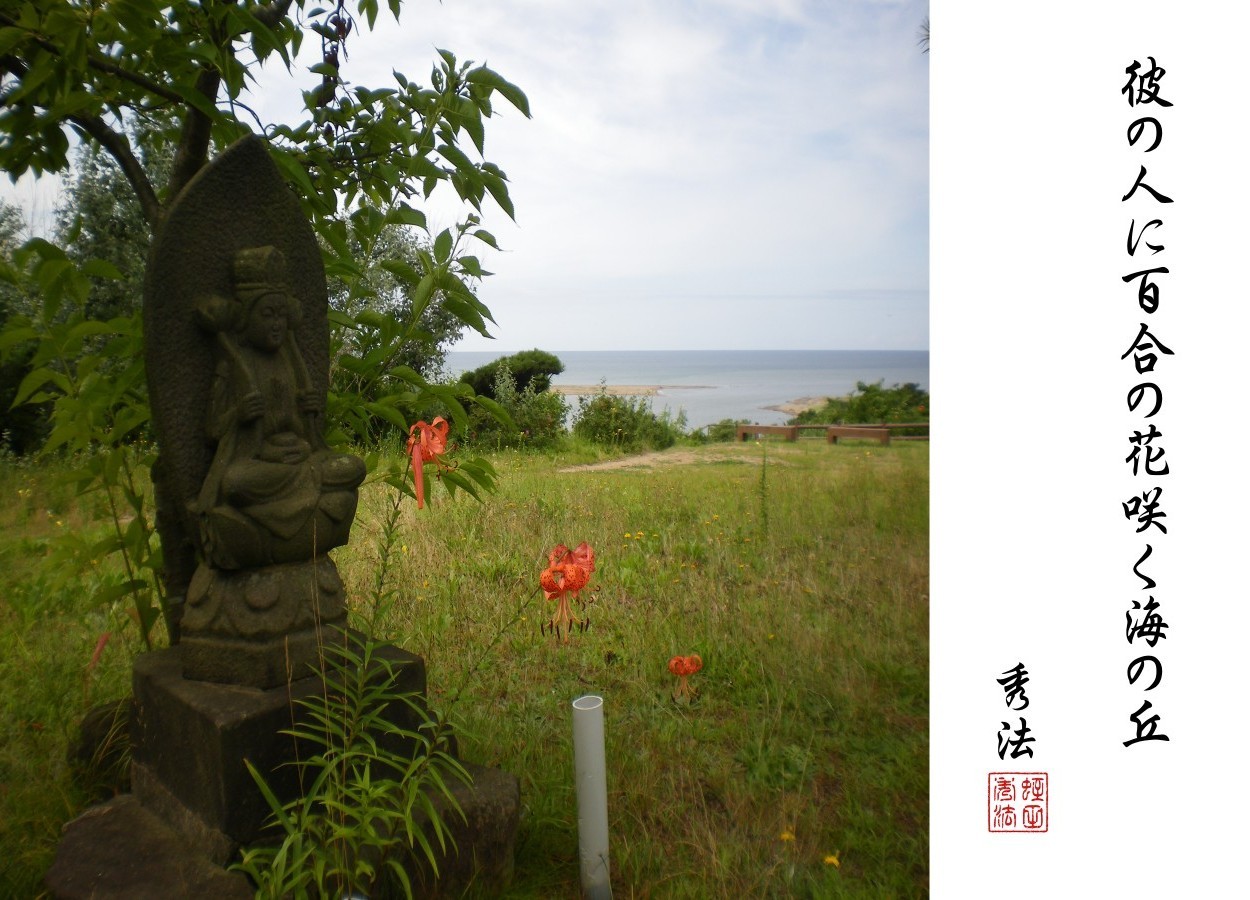
彼の人に百合の花咲く海の丘
For him
lilies bloom at the hill
by the sea
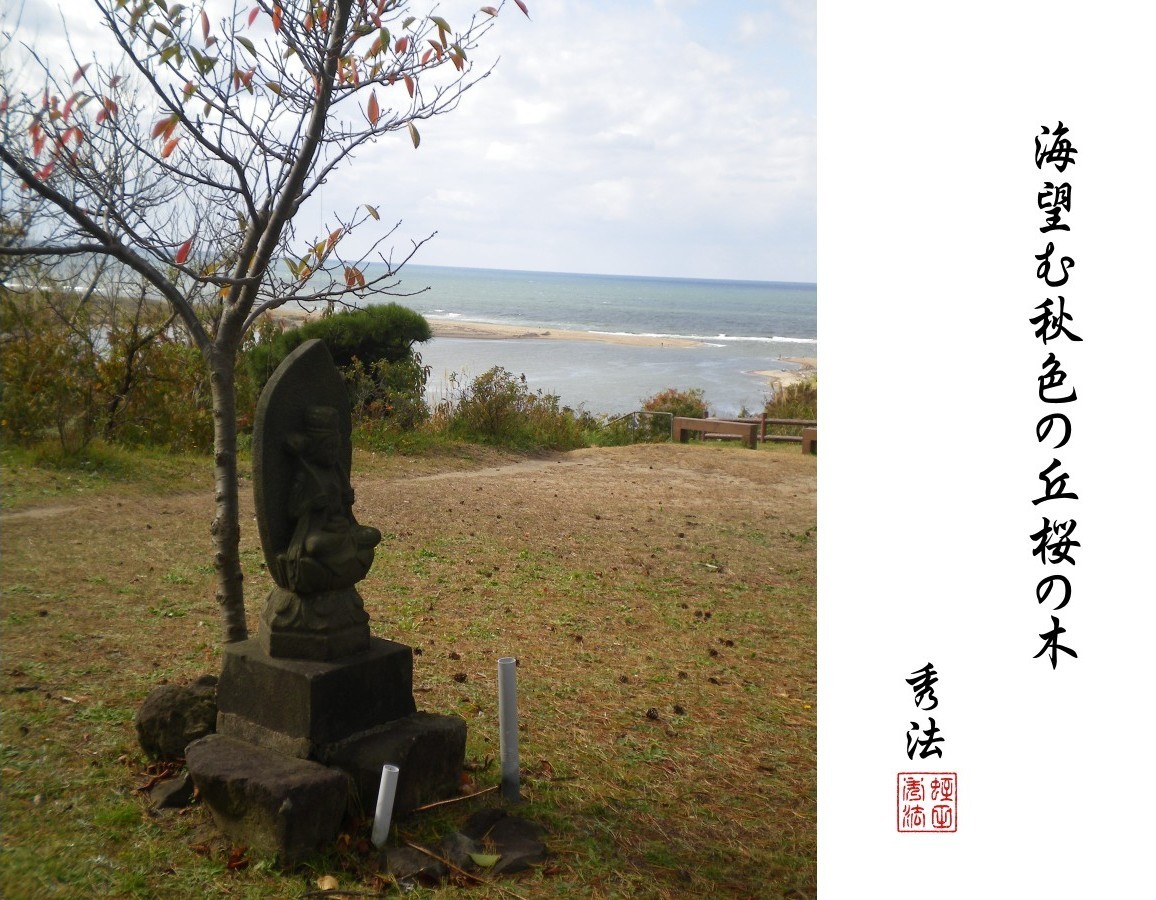
海望む秋色の丘桜の木
In autumn color
a cherry tree views the sea
on the hill
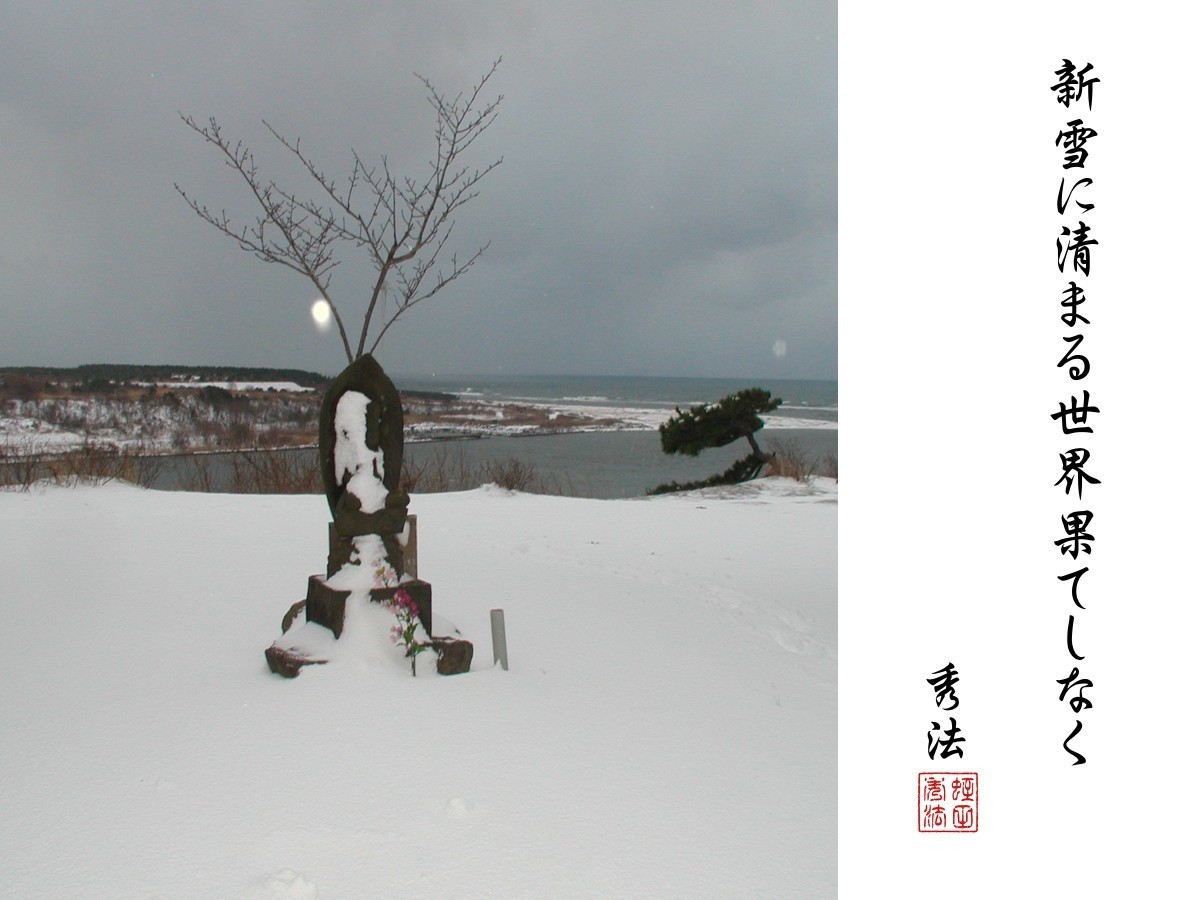
新雪に清まる世界果てしなく
Fresh snow
purifies all over the land
endlessly
Both Japanese and English Haiku by Hidenori Hiruta
Akita International Haiku Network
参考資料
・秋田城とは?
秋田市観光文化スポーツ部 秋田城跡歴史資料館
・石龍山 勝平寺 ―千年時空―より
・『海から上がったおむすび地蔵さん』世界物語遺産
共同編集 秋田市立勝平小学校 図書委員会
一般財団法人 カミーノ秋田
著者 さいとうみつこ
・写真 秋田国際俳句ネットワーク 蛭田秀法


