739
Exchange with Bohai started in 739, when Akita Castle in Dewa Province served as a diplomatic facility.


In 1603, Satake Yoshinobu built a new castle on Shinmeiyama in Kubota, Akita, Dewa Province, and named the castle “Kubota Castle (Kubota-jo久保田城).” Yoshinobu became the first lord of Akita Domain after he had been relegated from Hitachi Province in 1602. The castle did not have a donjon and stone walls.
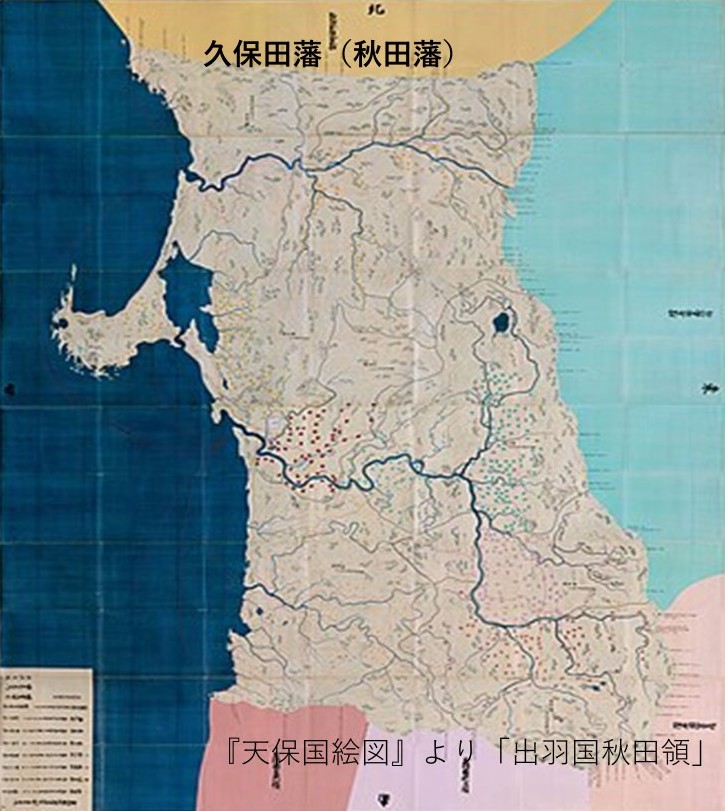
In 1896, the castle was improved under the design of a landscape gardener, Nagaoka Yasuhei(長岡安平).
In 1984, Satake Yoshinaga(佐竹義榮)donated the castle to Akita City in his will, and it became a public park owned by the city.
Kano Ryochi(狩野良知), a Chinese classics scholar from Akita, named the park “Senshu(千秋)”, praying for the perpetual prosperity of Akita.
In 1989, Senshu park was selected as one of the 100 Best Urban Parks in Japan.
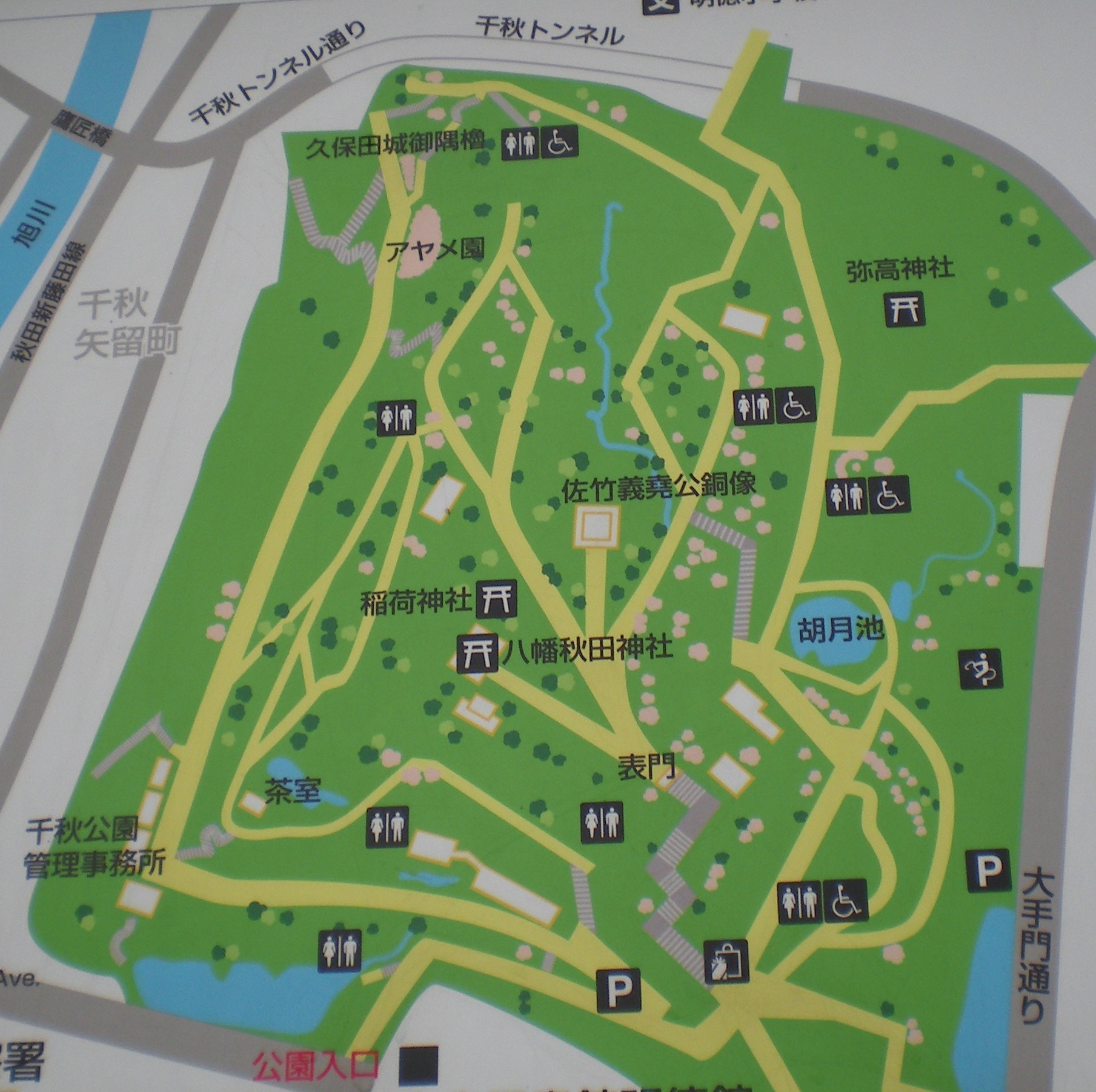
千秋公園
Senshu Park
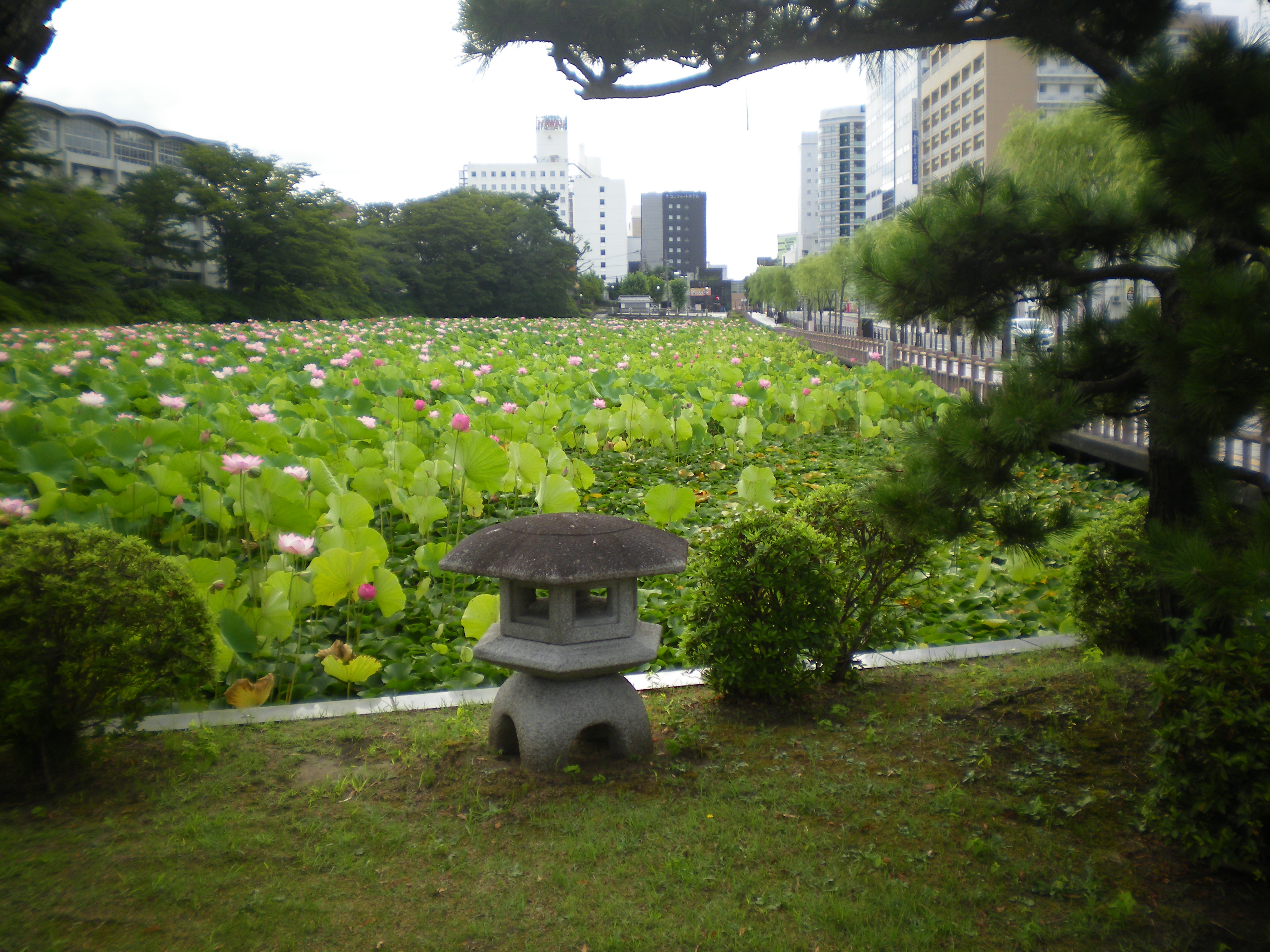
大手門
Otemon Gate (Front Gate)
The lotus plants growing in the Otemon Gate moat belong to the “Gyozan-guren” variety. They begin to bloom around early July, and the flowers can typically be enjoyed until around mid-September.

花開く漁山紅蓮大手門
In full bloom
crimson lotus of Gyozan
Otemon Gate moat
久保田城跡
Kubota Castle Site
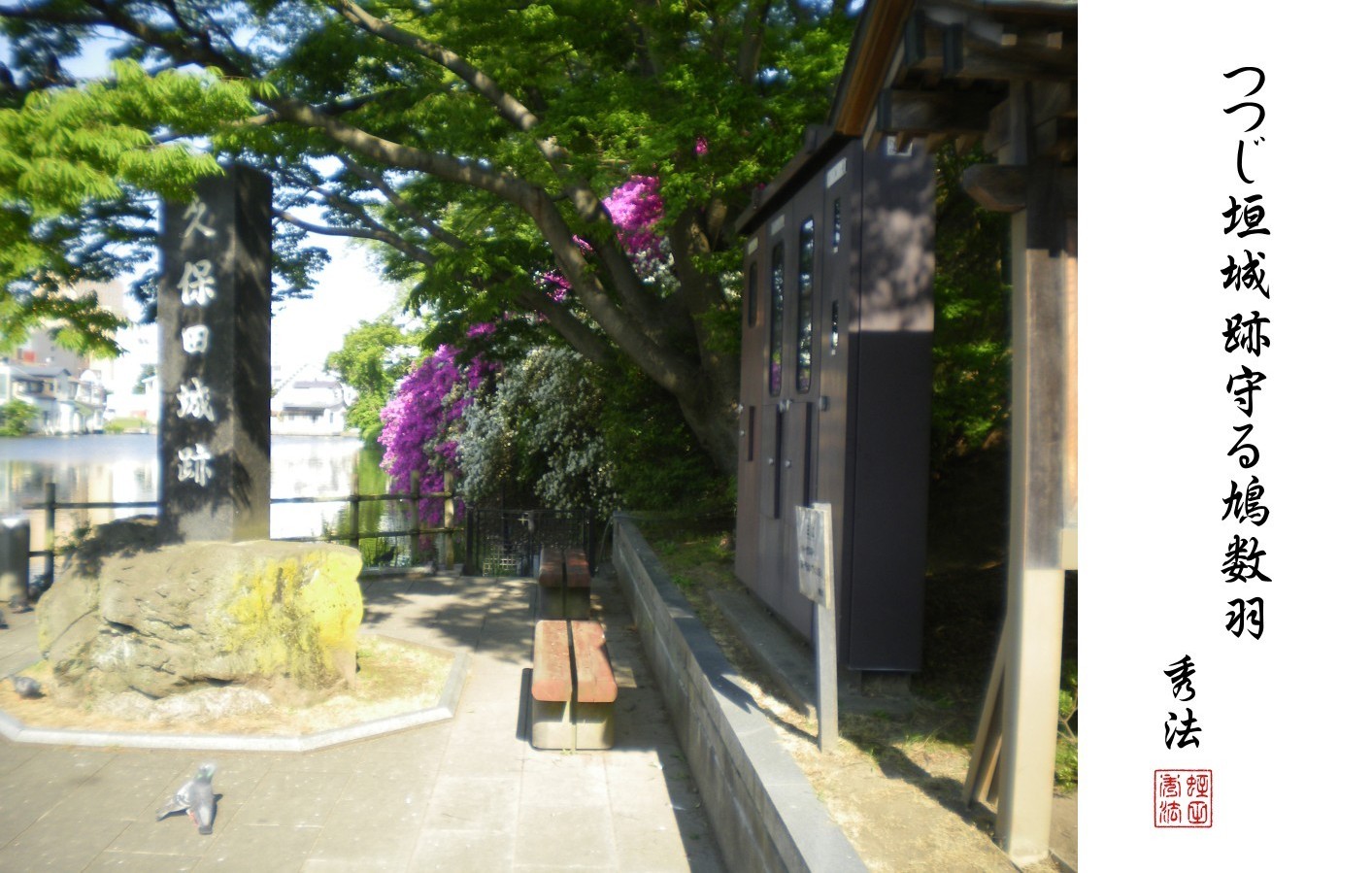
つつじ垣城跡守る鳩数羽
Azalea hedges
preserving the castle site
with a few pigeons
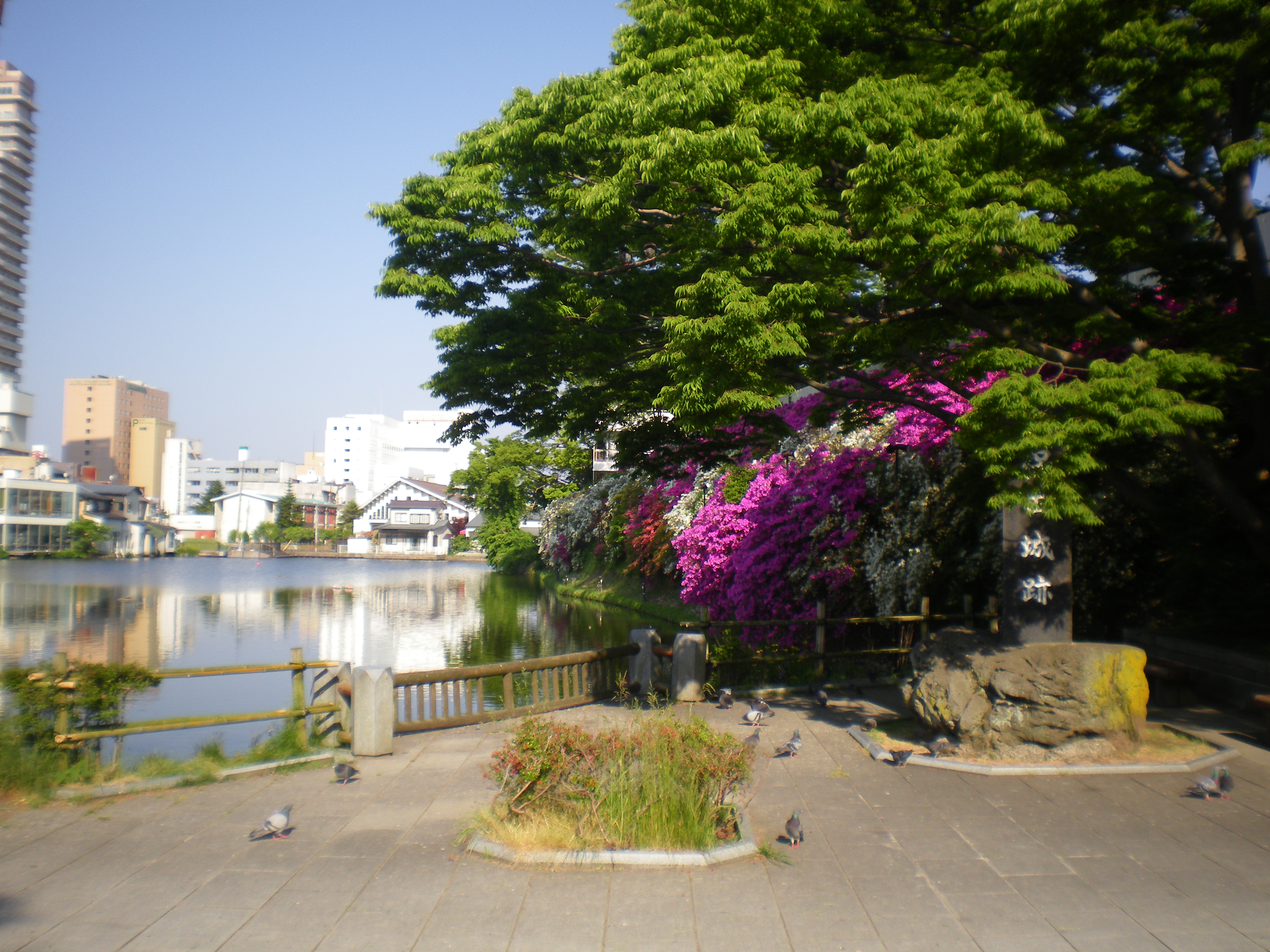
千秋公園入口
Park Entrance

語り部は神明山のつつじかな
Red mountain azalea
knows everything like a god
in Shinmeiyama

二の丸へ青葉の坂を登りけり
Under green leaves
the slope leading to
Second Bailey
久保田城表門
The Main Gate of Kubota Castle
The main gate of Kubota Castle called “Ichinomon”, was an important strategic location for the protection of the castle. The headquarters for the guards and a guardhouse were situated at the gate on the left side, providing the first line of defense against attacks on the castle.
The present two-story wooden structure with tiled roof was built using historical records and archeological finds.
Today, it stands as a tangible architectural reminder of the status of the Satake family during the Edo period.

つつじから松の坂道登りけり
From azaleas
restarting going up
the pine slope

曲がり角青葉に浮かぶ表門
The turning point
Main Gate floating in
green leaves

松の木に映える若葉や表門
Young leaves
shining by a pine tree
the Main Gate
久保田城本丸跡
The Headquarters of Kubota-Castle Ruins
Kubota Castle was built in 1603 on the hill named Shinmeiyama which was forty meters high.
The Honmaru (Headquarters of the castle) was built after preparing the ground on the top of Shinmeiyama. The width of the Honmaru was 117 meters east to west, 215 meters north to south, not including earthworks surrounding the Honmaru.
As for the structures within the inner bailey, the main entrance was situated directly ahead of the main gate, and the administrative offices—the seat of government—were located there; meanwhile, the lord’s residence called ‘Honmaru Goten’ stood in the central area facing the pond.
Additionally, the top of the earthen rampart was enclosed by ‘tamon-nagaya’ (long, multi-roomed storehouses serving as defensive structures) and wooden fences; corner turrets were positioned at strategic points, and a main corner turret—which also served as an armory—was erected at the northwest corner.
Atop the earthen rampart in the southwest corner stood the “Odashi Shoin”—a two-story, ‘shoin’-style building known as the Yagura Yashiki.
In addition to the main gate, there were four other gates serving as entrances and exits, such as the rear gate, the buried gate, the obi-kuruwa gate, and the wicket leading to the corner turret.
久保田城御隅櫓
The Main Corner Turret of Kubota-Castle Ruins
This tower, located on the high grounds of the main enclosure’s north side, was built in 1989 as a project of the 100th anniversary of Akita City. This kind of tower served as a guard post and armory.

老木の矢留の城址緑萌ゆ
Old trees
budding on the ruins of
Yadome Castle

八重桜御隅櫓に花を添ふ
Another viewing
for Watch Tower
double cherry blossoms
久保田城展望台
The Observatory of Kubota-Castle Ruins

青山や千年の計温める
Green mountains
contemplating in mind
a thousand-year plan

桜からつつじの園に更衣
Cherry blossoms gone
azalea coming to the park
the changing period
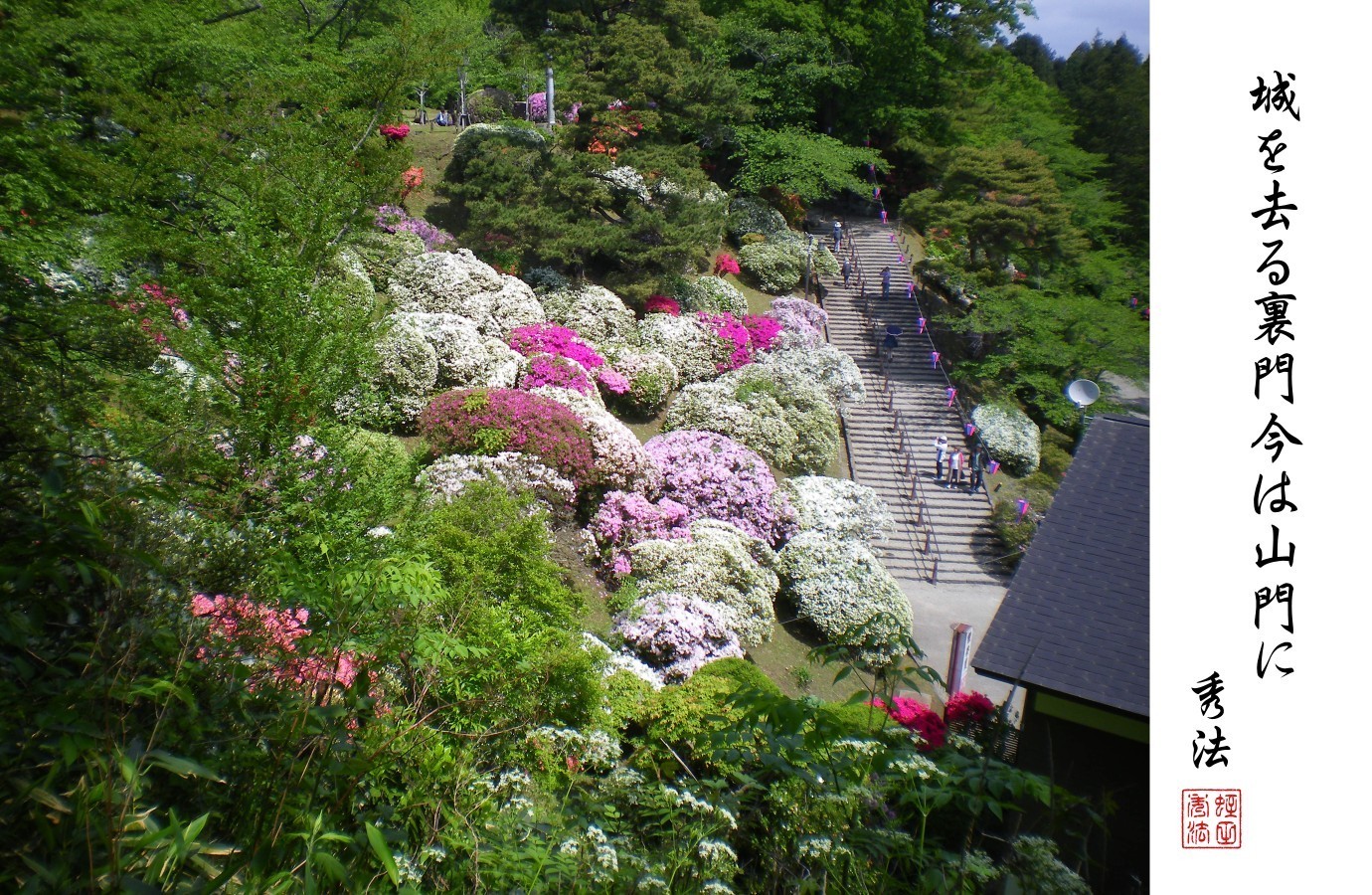
城を去る裏門今は山門に
The Rear Gate
from Kubota Castle moved to
the Buddhist temple
久保田城裏門
The Rear Gate of Kubota-Castle Ruins
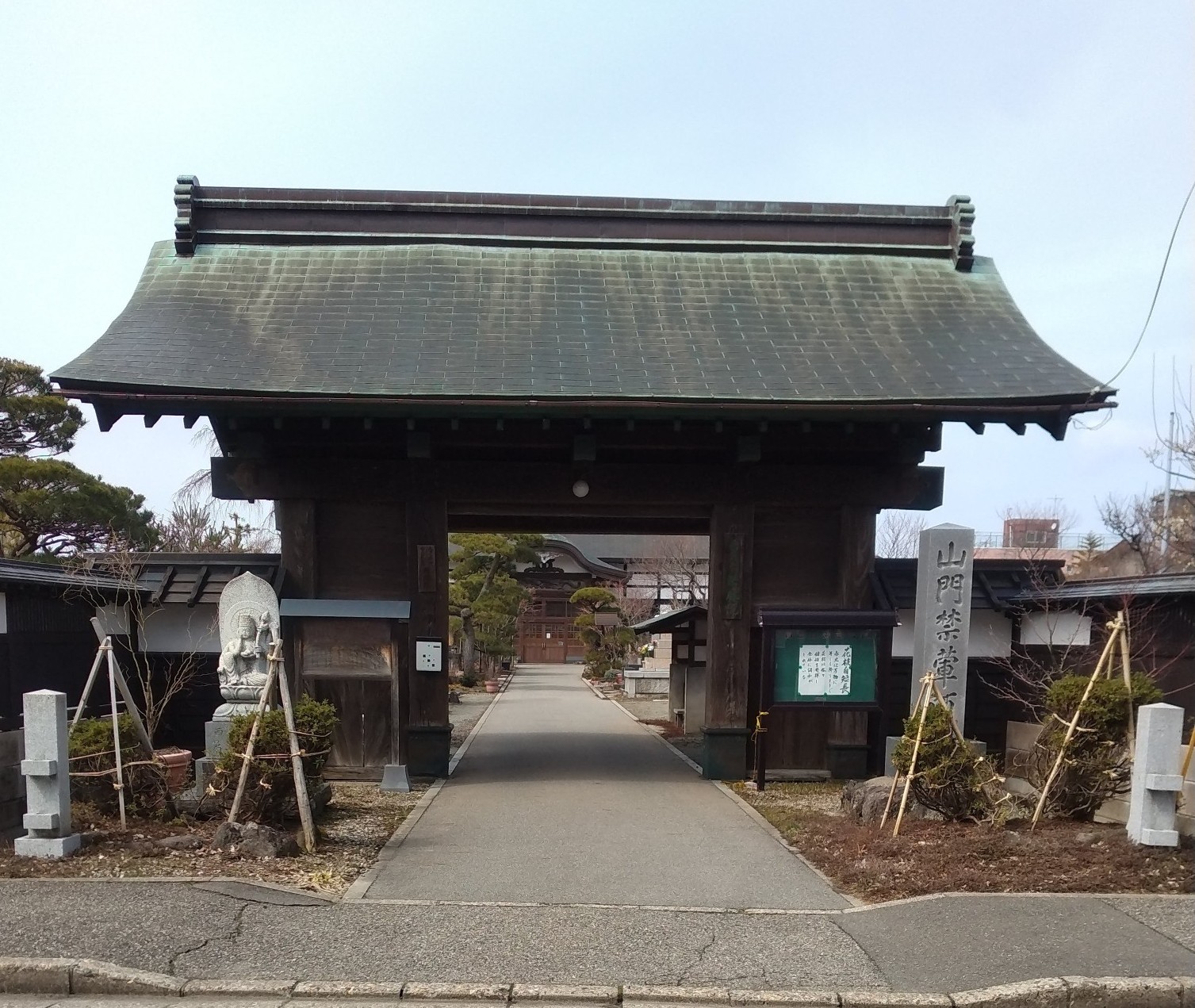
The main gate of Rinshō-in Temple was originally the rear gate of Kubota Castle.
Most of the buildings within Kubota Castle were destroyed by a massive fire in 1880; the only structures that miraculously survived were the ‘Omonogashira-gobansho’ (Guardhouse for the Head of Arms and Equipment) and the rear gate.
The ‘Omonogashira-gobansho’ still stands within the Kubota Castle grounds today.
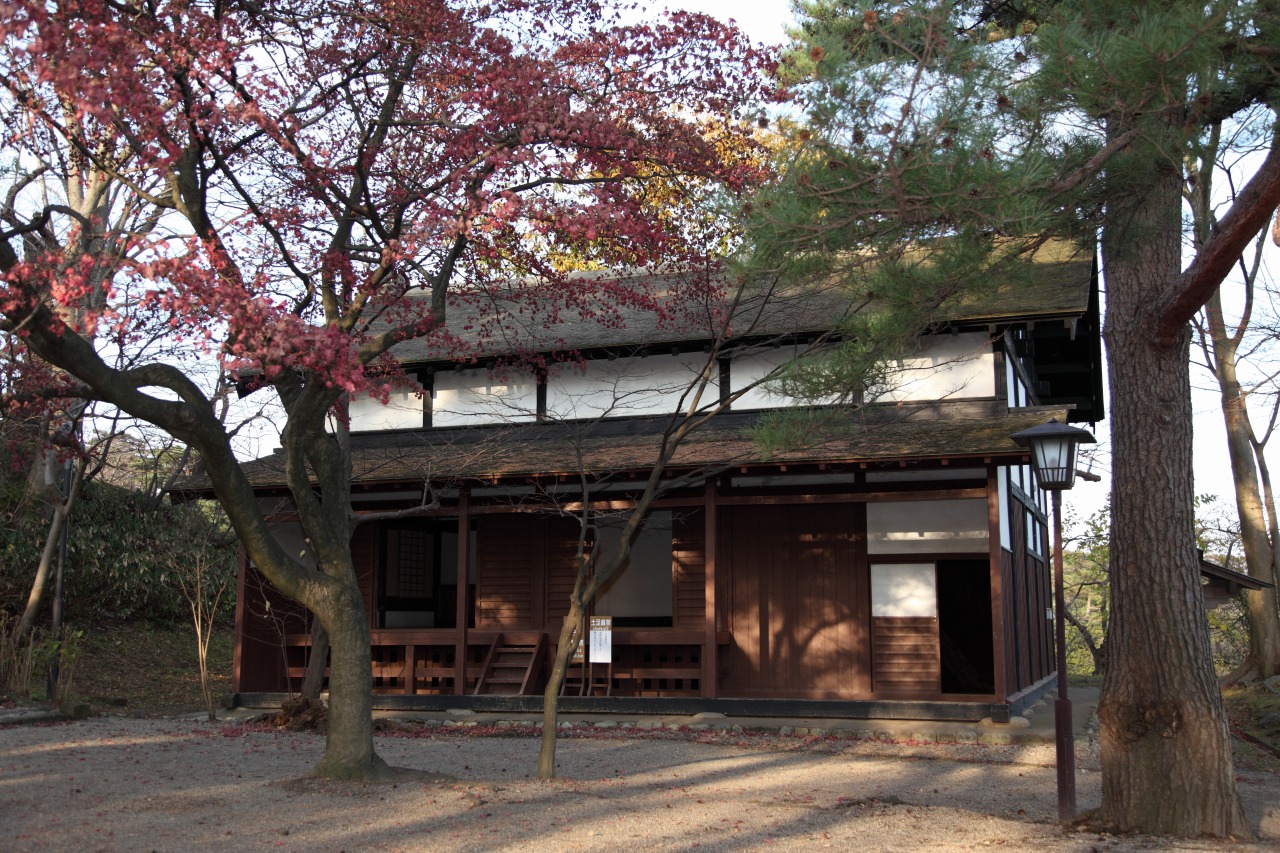
In 1886, the rear gate was relocated to its current site to serve as the main gate for Rinshō-in, replacing the temple’s original gate which had been lost to fire. During this relocation, the second-story section of the gate was removed.
茶室宣庵
Tea House “Sen-An”
The “Sen-an” tea house was built in 1953 as part of the project commemorating the 350th anniversary of Akita City, made possible through the generosity of local tea enthusiasts and experts; it was subsequently donated to the city in 1958. It is a tea house with a serene and elegant atmosphere.



七夕や一期一会の茶を点てる
Tanabata—
making tea
for a once-in-a-lifetime encounter
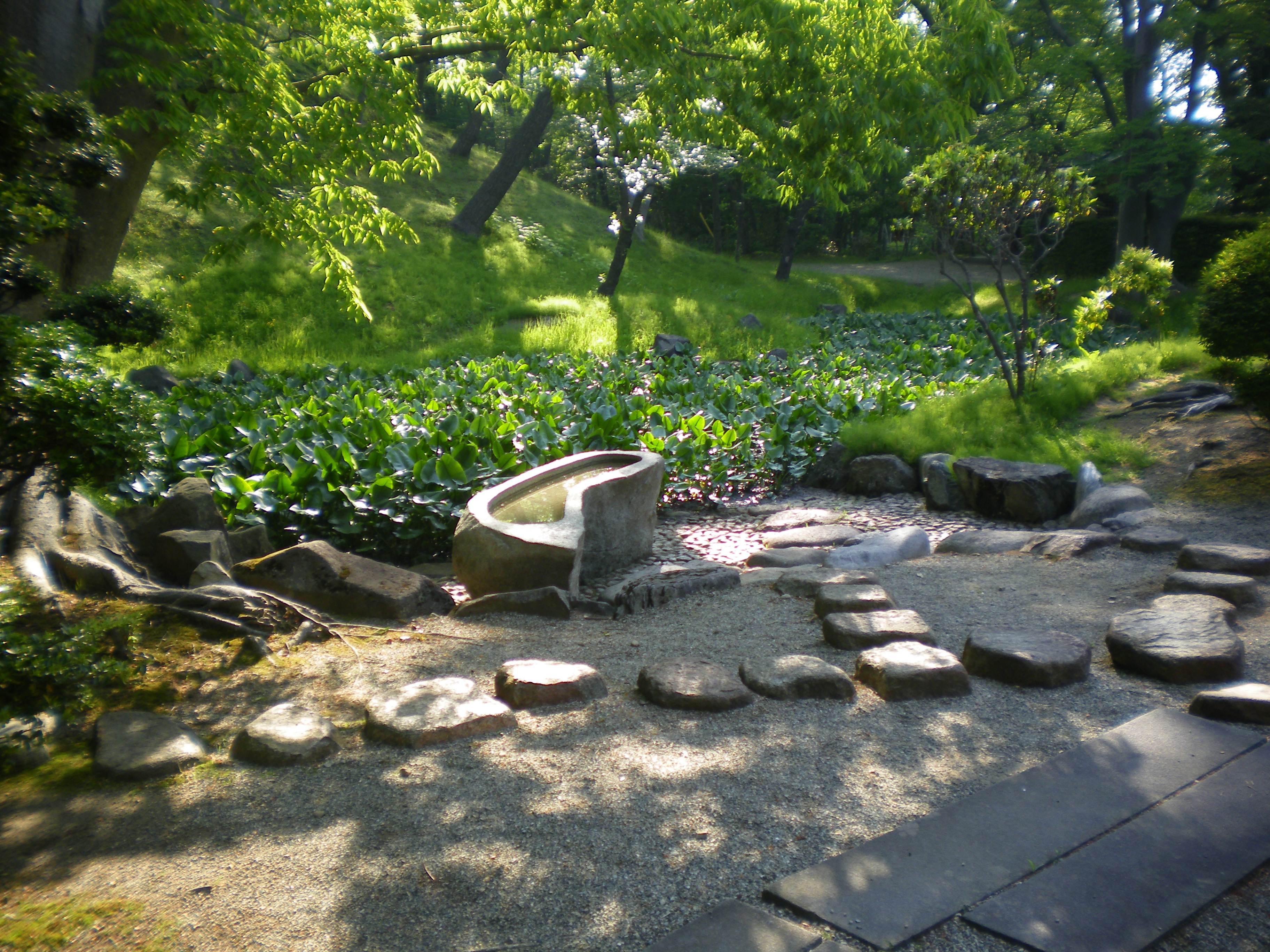
宣庵の「舟形手水鉢」
Sen-an’s “Boat-Shaped ‘Chozubachi’”
A ‘chozubachi’ (stone water basin) is essentially a vessel designed to hold water for rinsing the mouth and purifying the body before approaching a Shinto shrine or Buddhist altar. Later, the custom was adopted into the tea ceremony, and such basins began to appear in tea gardens.
Sen-an’s boat-shaped ‘chozubachi’ sits by the edge of the pond in the tea garden. It measures approximately three meters in length and weighs about ten tons; given its shape, one would hardly guess it was a water basin.
In fact, the stone was originally brought back from the Korean Peninsula by the warlord Kato Kiyomasa and presented to Toyotomi Hideyoshi during the latter’s military campaigns in Korea (specifically, the Bunroku Campaign). It is said to be made of granite of the same type found in regions stretching from the Korean Peninsula to the Seto Inland Sea.
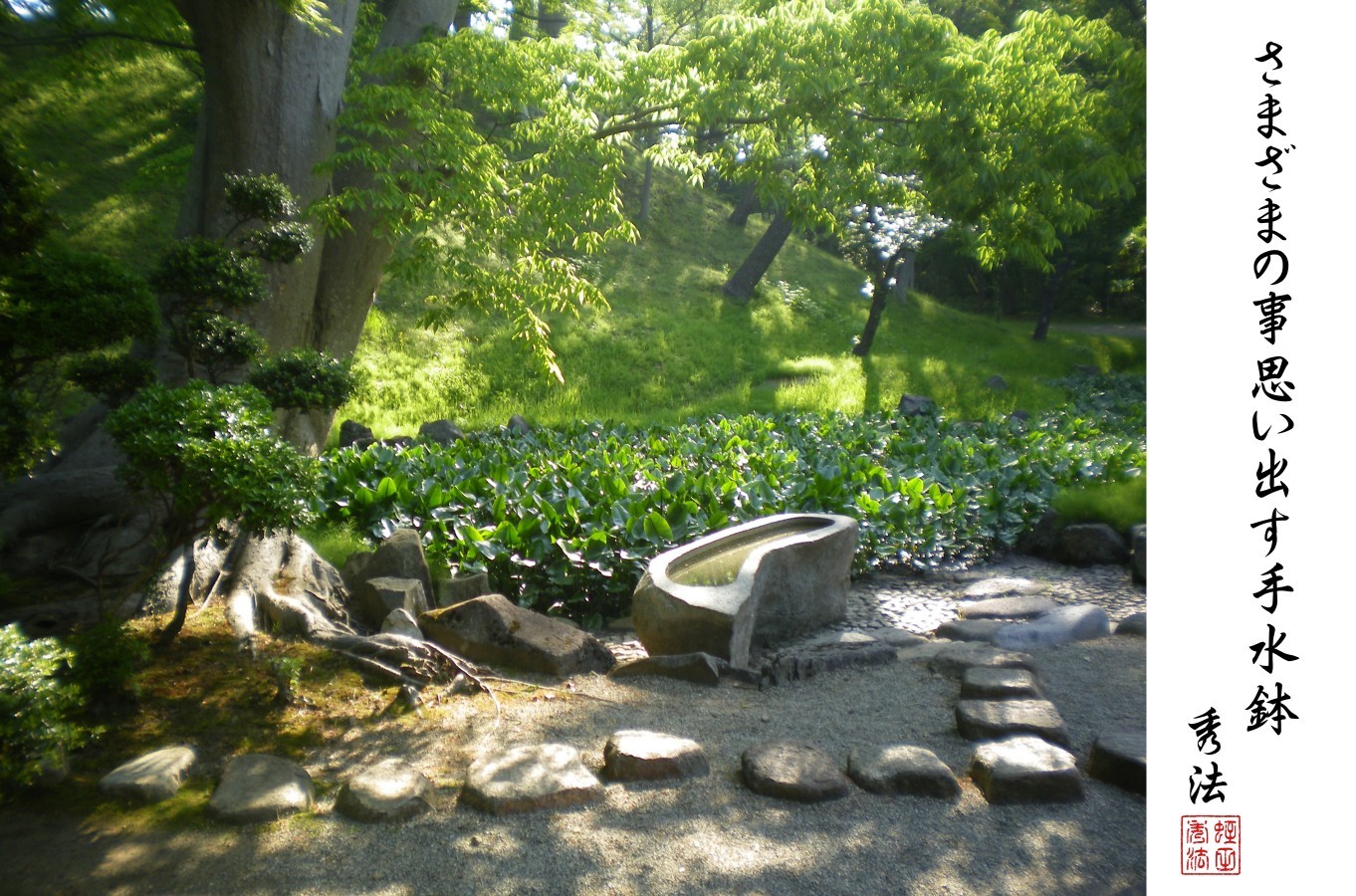
さまざまの事思い出す手水鉢
Various historic events
come to mind
from the stone water basin
But why is this located in Senshu Park?
Ishida Mitsunari, a close aide to Hideyoshi, played a major role in this mystery.
The massive stone water basin was kept at Osaka Castle for a time, but it is said that, through the arrangements of Ishida Mitsunari, it was transferred to the Satake clan, who then ruled Ota in Hitachi Province (in the vicinity of present-day Hitachiota City).
Following Hideyoshi’s death, the Toyotomi regime split in two. Mitsunari, a proponent of civil administration—governing through moral suasion and laws rather than military force—was disliked by the “military faction” of warlords and came under attack. It is said that a friendship blossomed between the two men after Satake Yoshinobu rescued Mitsunari from this perilous situation during the 1599 attack.
Satake Yoshinobu was also known as an accomplished tea master who studied under Furuta Oribe. The fact that Mitsunari presented a water basin to Yoshinobu is considered a testament to the friendship between the two men.
Some time after the stone water basin was presented, the Battle of Sekigahara took place—the decisive conflict for supremacy between Tokugawa Ieyasu and Ishida Mitsunari, who had succeeded the Toyotomi regime. During this time, the Satake clan maintained a stance of neutrality. Although they must have faced intense pressure from Tokugawa Ieyasu, Yoshinobu, in particular, likely found himself unable to bring himself to fight against Mitsunari.
As a result, the Satake clan was ordered by the victor, Ieyasu, to relocate from their ancestral lands in Hitachi Province to Akita, forcing them to relinquish much of their territory and assets; yet, they could not bring themselves to part with this ‘chozubachi’ (stone water basin), going so far as to have it transported all the way here by sea. This clearly illustrates just how deeply the basin was cherished by Yoshinobu.
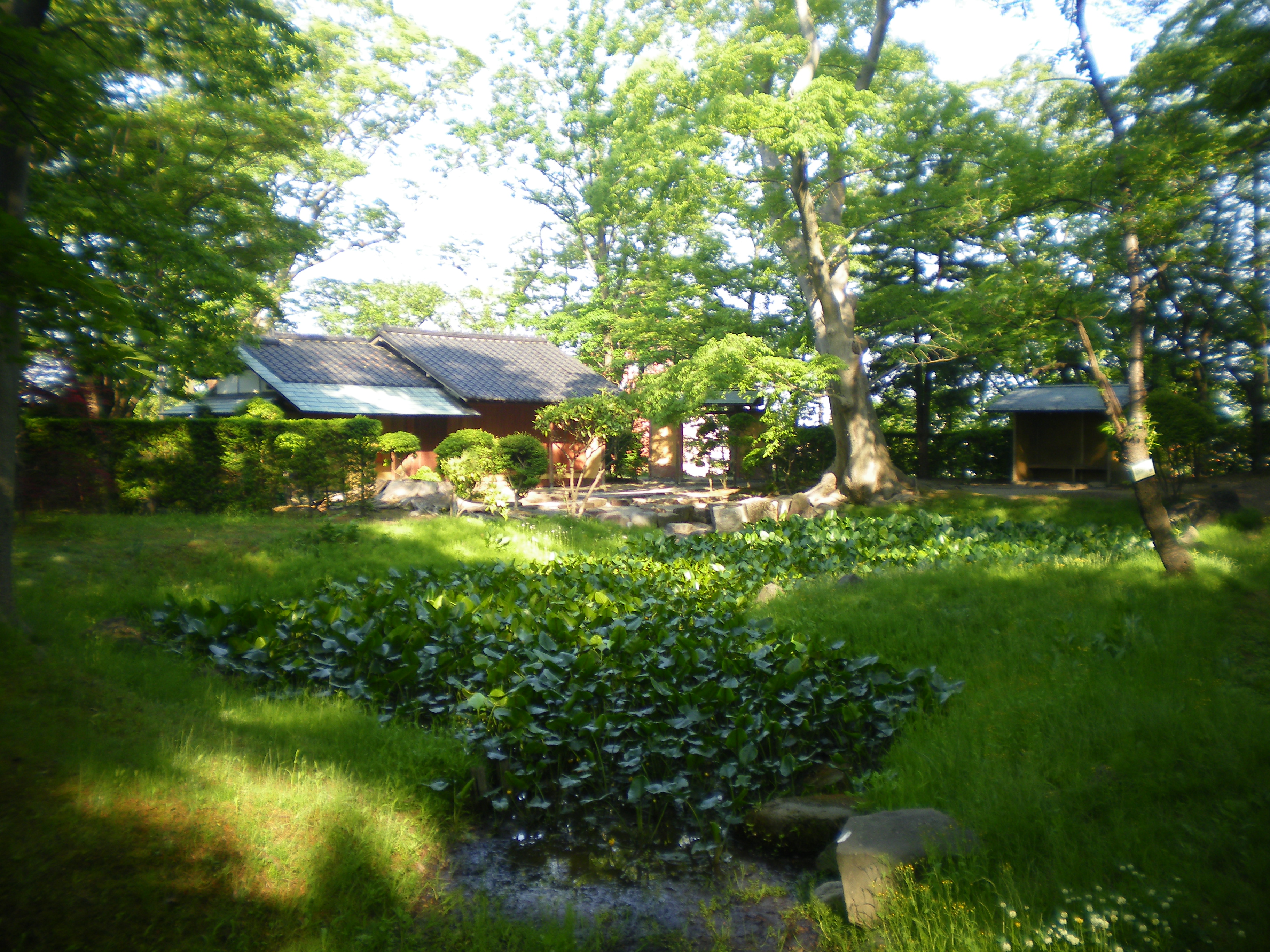
Following the abolition of the han system and the establishment of prefectures, the stone water basin was initially placed at the residence of a prominent figure in the Tsuchizaki Port area of Akita City; however, the city later purchased it and returned it to Senshu Park, a site with historical ties to the object. It is now situated in the garden of “Sen-an,” a tea house built right next to Hachiman Akita Shrine, where Yoshinobu is enshrined.
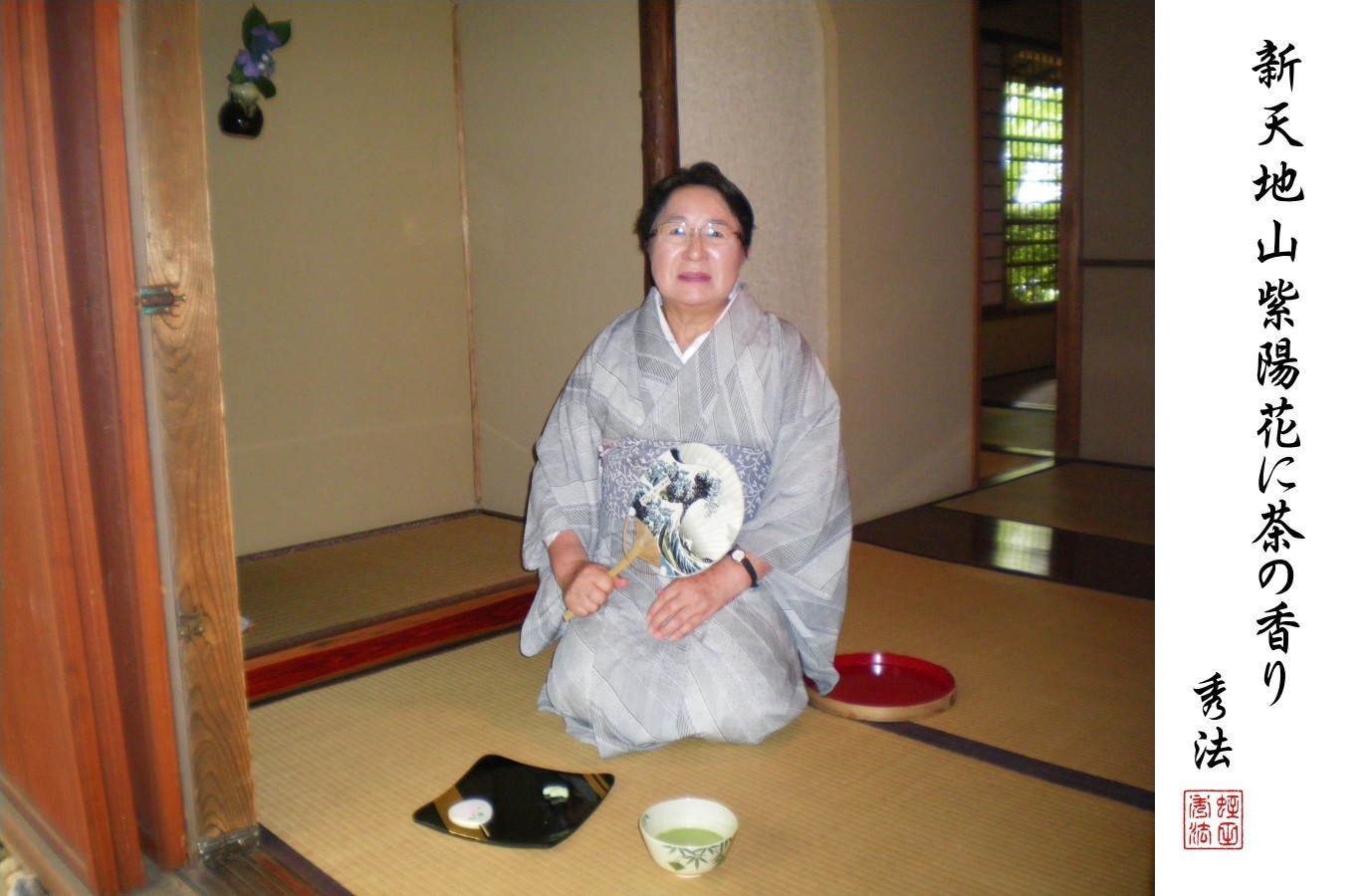
新天地山紫陽花に茶の香り
A new setting—
mountain hydrangeas
and the scent of tea
Hidenori Hiruta
Akita International Haiku Network
蛭田 秀法
秋田国際俳句ネットワーク
参考資料
・秋田城とは?
秋田市観光文化スポーツ部 秋田城跡歴史資料館
・久保田城について
秋田市観光文化スポーツ部 佐竹史料館
・千秋公園
秋田市建設部 公園課
・茶室「宣庵」
西村修【し~なチャン便り 第50話】
まちなかフカボリ~千秋公園編④
友情の証 舟形の手水鉢
・写真
「久保田城御物頭御番所」
秋田市観光文化スポーツ部 観光振興課
「写真他」
秋田国際俳句ネットワーク 蛭田秀法


I am Hiruta’s fan. His writings always with nature’s whispers. My sweet enquiries.